

There is an insightful saying in Hindi that fits well with the Madheshi unhappiness about the draft constitution. The saying goes something like this: Rope ped babur ka to aam kahan se hoi! ("You planted a thorn tree. How can you then expect it to bear mango?")The mainstream Nepali Congress and CPN-UML swept the 2013 CA election; RPP had a good outing, too, considering their arcane ideology and medieval politics. On the losing side of the electoral battle were Maoists and Madheshis. While the sweep by mainstream parties was unsurprising in their traditional strongholds in hill, NC and UML win in Madhesh regions wasn't expected and the scale of their win surprised even those who had monitored public sentiments closely.
Madheshi voters sided with the three mainstream parties—NC, UML, Maoists—in overwhelming numbers. Of nearly 80 percent of directly elected CA seats these three parties won nationwide, about half were in Madhesh, whereas Madheshi parties won less than 10 percent of those seats, belying their claim of representing Madhesh and being the guardians of Madheshi people. One compelling message for Madheshi parties was then to pack up and leave the scene.
But, unfortunately, democracy in Third World countries doesn't work that way—where winners take all and losers go packing. In poor and backward societies where democracy remains an alien doctrine, democratic norms are barely observed.
Looking at Nepal's situation, the four parties signing the draft constitution make up over 80 percent of the total parliamentary seats, much in excess of two-thirds majority required for the promulgation of constitution. However, the draft is being opposed by all of the left-out parties. Madheshi parties are militant in their opposition of the draft constitution.
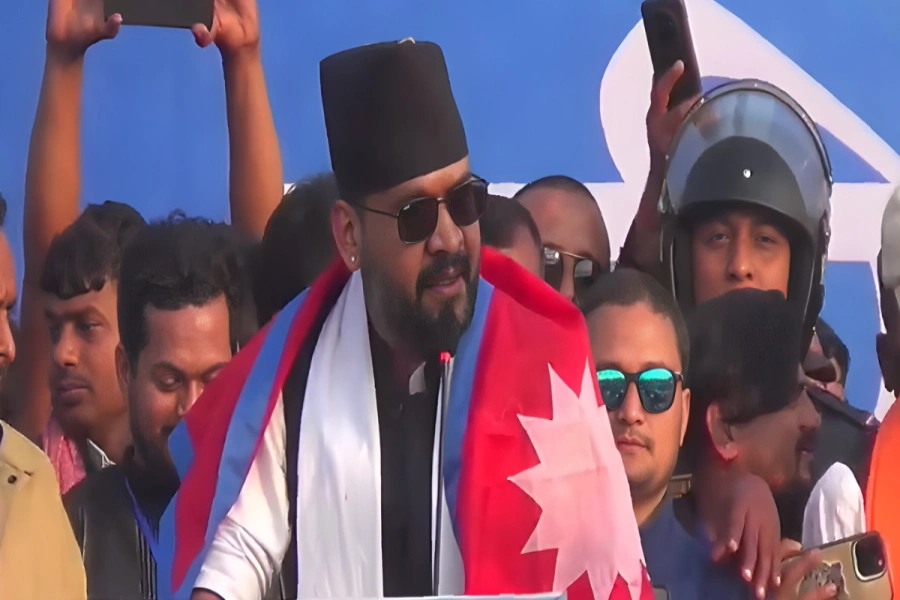
Here goes their commitment to democracy and to a majority rule! For them it is hard to live with democracy if it doesn't work in your favor. There has been no soul-searching among opposition parties on their loss in the election that was held specifically for the purpose of choosing representatives to draft a new constitution. Although Madheshi parties lost the election badly, they now say they have nothing to do with that mandate and, instead, will go for a mob rule or, at the least, force a mob or disown the Government entirely, as threatened by Sadbhavna Party Chairman Rajendra Mahato.
Unfortunately, this is not democracy. This type of activist action plan is a call to arms and a revolution, including, in Madheshi case, for an UDI—unilateral declaration of independence.
Unite or perish! There is no denying that Madheshi people have voted for the constitution that has been drafted and is ready for promulgation. There is nothing Madheshis can do except to go along with it, probably for a long haul unless something catastrophic happens. Constitution is not something that can be changed quickly or easily, especially if we seek an overhaul which is what the Madheshis and other disgruntled groups in the country would like. But this kind of dream is unlikely to get them anywhere and, in fact, all such efforts to nullify the draft constitution will more likely cause them pain—and lots of it—without any gain.
This, however, is not saying that unsatisfied groups have no other route for redemption. The smart thing for the opposing groups and parties to do will be to work around the new constitution rather than against it.
With them working against the draft constitution, the outcome can be anything. If, for example, force is used to oppose the constitution, the administration would have a legitimate right to suppress any such attempts, including the use of force. Additionally, given the history of Madheshi's fragmented society and its wayward politics, the burden of protest and ensuing violence will fall on a limited few—may be our best and brightest—who would be mowed down by the armed strength of Pahade-dominated security forces and this they will do with more resolve and less guilt compared to when they faced Maoist rebels.
A good option then is to stay within the confines of the constitution—however unappealing and unpalatable—and try to regain lost ground, in terms of securing the rights and privileges for an aggrieved and disenfranchised group. Madheshi parties must unite at the polls, a chance they lost badly. The discriminatory constitution they now complain about wouldn't have been drafted had they done so.
It then follows that current opposition to the draft constitution lacks democratic legitimacy. Looking ahead, unless the public mandate obtained in the 2013 election gets reversed in a similar election or in a referendum, all opposition to the constitution can be treated as banditry and will justify harsh repression.
Madheshis' cry of unfairness and injustice in the framing of the new constitution can't be taken at its face value because they willfully gave up the option of uniting and securing a majority which, numerically, was possible. Surprisingly, the unity option has remained elusive for Madheshi politicians even when they have known the perils of disunity. More generally, the inconvenient truth about Madheshi parties' character is that they would rather perish than unite. And perish they did, getting just a quarter of Madheshi support in the last CA election.
Fight for opportunities
If Madheshi leaders are serious about welfare of Madheshi people, they must change course and strategy. This can't be done if they wait for an electoral mandate which will never come, given the loss of face they have suffered in their quest for a pro-Madheshi constitution. Do they have any other option available, given that they aren't going to prevail in any of the national polls—since they will never agree to form one single Madheshi Party or agree on a single agenda? Even if they did, they are unlikely to be trusted by Madheshis. They have accumulated a lot of baggage while pursuing their divisive and often anti-Madheshi agendas.
The only way for Madheshi leaders to remain relevant and regain their clout is for them to win rights for Madheshi people, which amounts to nothing more than making those people aware of their citizenship rights and giving them a platform to secure those rights. It is hard to believe that none of the Madheshi politicians has ever taken the rights issue seriously and, when they have, they have done so in a noncommittal manner. But securing citizenship rights for Madheshis is the single and also the only issue that should engage a Madheshi politician worth his salt.
In which other country—democratic or otherwise—does half the population face discrimination and exclusion worse than under apartheid? Which other country compels half of its citizens to stay out of the official mainstream and force them to live under security umbrella of an alien force? And, finally, in which country are a large-size ethnic group constrained to a life of misery in an environment of plenty? We need to look no farther than Madheshis of Nepal to fit the bill.
Madheshi leaders and Madheshi parties have their work cut out—to help secure equal rights and opportunities for Madheshis. Given the extent of deprivation faced by Madheshi people, fighting for anything else is foolish.
sshah1983@hotmail.com
Related story
Why the Madheshi Commission removed Muslims and Tharus from the...







_20191222200001.jpg)





