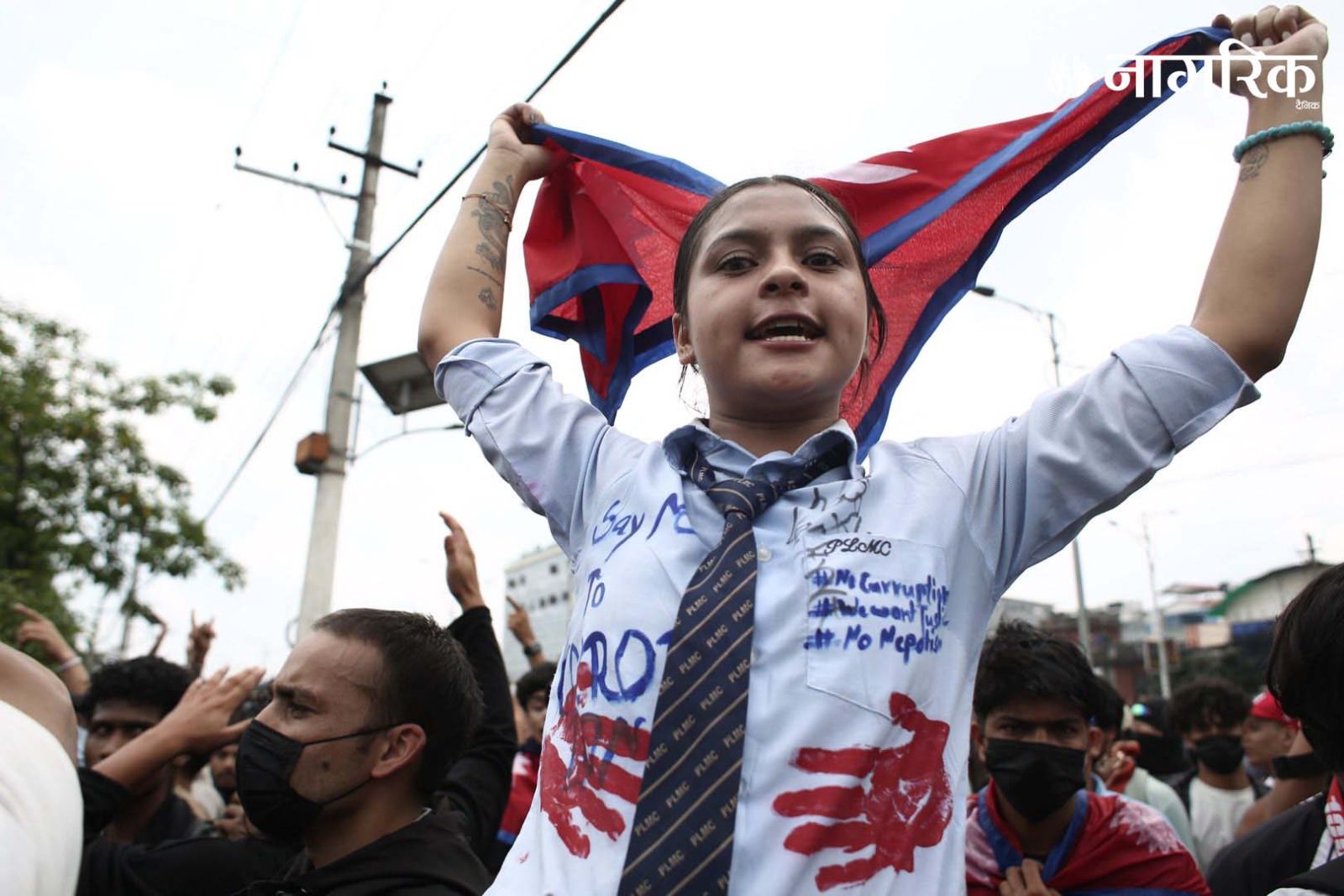
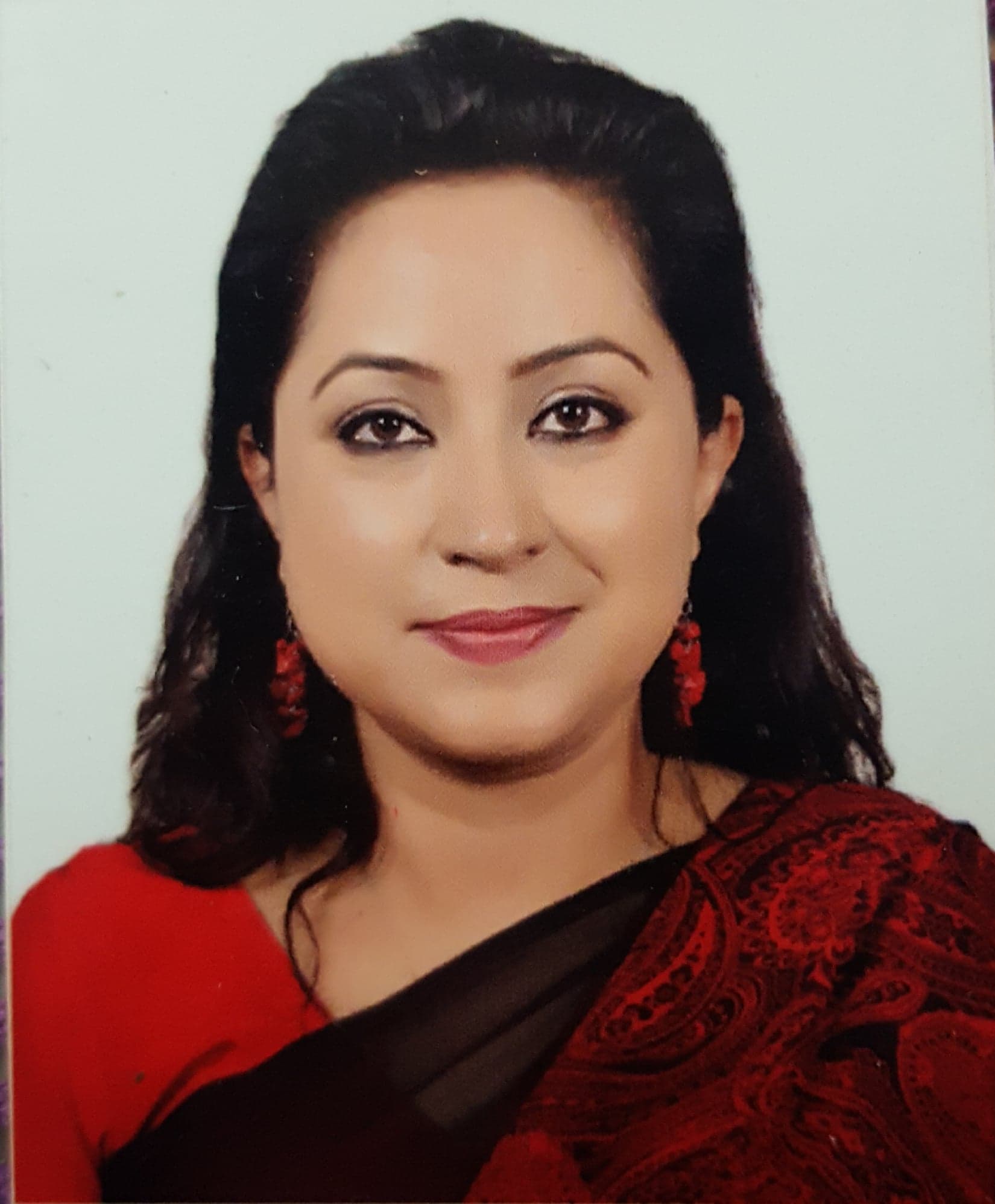
"We need opportunities to understand political, social, cultural and economic aspects of any community. This helps us become active citizens who can make informed choices to development needs," says Kanchan Kharel, president of YUWA. The youth organization has been working steadily to bring young people to the forefront of the nation building process and advocates for youth participation in decision making processes at all levels.Anita Thapa of Sambhawana adds that the education system should embed civic understanding in a more expansive way in the curriculum so students grow up with a better understanding of the matter.
Thapa says there is just one chapter in their Social Studies subject in the school's curriculum and that's negligible. She says, "It is very important that young people understand what is constitution, how legislation works, and the fundamental rights of human beings. And they have to carry that understanding out of the classroom. We find students very interested to learn about democracy, the constitution and how the government organizations are run. They have interest in contemporary political issues but they don't know where to start and how they can learn more."
Sambhawana runs the Civic Schools program in eight public and private schools, where it conducts a weekly one to two-hour session. Students are encouraged to choose from a variety of learning mediums like videos, role play, organizational visits, etc. In the three years that Sambhawana has been running this program, the students do develop an acute sense of civic awareness, says Thapa.
"They ask for help to start their own children club in schools. They also want a functional complaint box. They've become aware of their rights and they aren't hesitant to ask for it."
It is also important to harness the enthusiasm and excitement of the youth to proper channels. Young people are always eager to learn and it is crucial that their learnings are useful. Whether it's leadership trainings, understanding one's culture and heritage, or a platform to discuss and debate national issues, there should be ample opportunities for young people.
Search for Common Ground (SFCG) is leading a consortium project 'Youth Engage' that is funded by European Union. The Youth Engage project aims to 'promote the constructive role of youth in peace building and development by reducing their engagement in organized violence.' It works in eight districts in eastern Nepal such as Sunsari, Dhanusha, Mahottari, and Rautahat.
Program Manager Javis Rana says that engaging young people in capacity development gives them confidence in themselves.
"We usually invite the police, political leaders, and government officials to attend our meetings which give young people the chance to interact with them. This is an opportunity for all the concerned parties to get to know each other. It's a complaint we hear from young people that they aren't taken seriously, so having these people listen to them and exchanging ideas is a boost to their confidence," she says.
At the district consultation meeting in July this year, the youth put forward plans for their home districts on different issues. While drug abuse and trafficking were common issues from all over, Morang reported on increasing cyber crime, and other districts highlighted unemployment. Bringing senior government officials, police and other concerned parties to this meeting proved fruitful as it was discovered that the lack of proper information dissemination lead to wasted opportunities for the young people.
There are many issues that affect young people in the country. Concerns like unemployment and migration are often interconnected, and while it's difficult to dissuade people from migrating for work, it is possible to inform them about skill enhancing trainings that will aid them in their search for employment.
And generating a two-way discussion between youth and state will create an understanding between them.
Bijay Kumar Yadav, 28, recently participated in Leaders Engaging Youth (LEY) training, under the Youth Engage project, where there was discussion on youth policy orientation session on government functions as well as various government facilities.
Sharing his learning from the training, Bijay says, "The session made me realize that youth have become too negative towards the state, and this negativity channels us towards violent behavior."
Motivational speaker and youth leader Saunak Bhatta sums up, "We need to develop an environment that creates a mindset where young people are willing to work for themselves and for the society they live in. Basically, youth civic engagement is for creating a purposeful life for ourselves."
Related story
Future