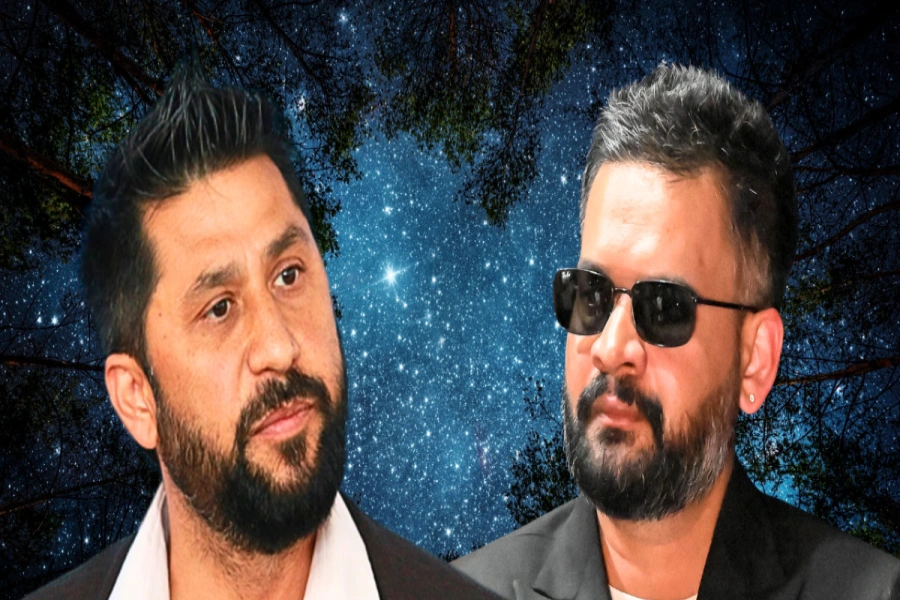
The gathering, held at the office of the Maoist Kochila state committee, was not a "separate meeting" of those willing to listen to him, as planned earlier, but also saw the presence of cadres loyal to Chairman Pushpa Kamal Dahal and Vice-chairman Mohan Baidya. [break]
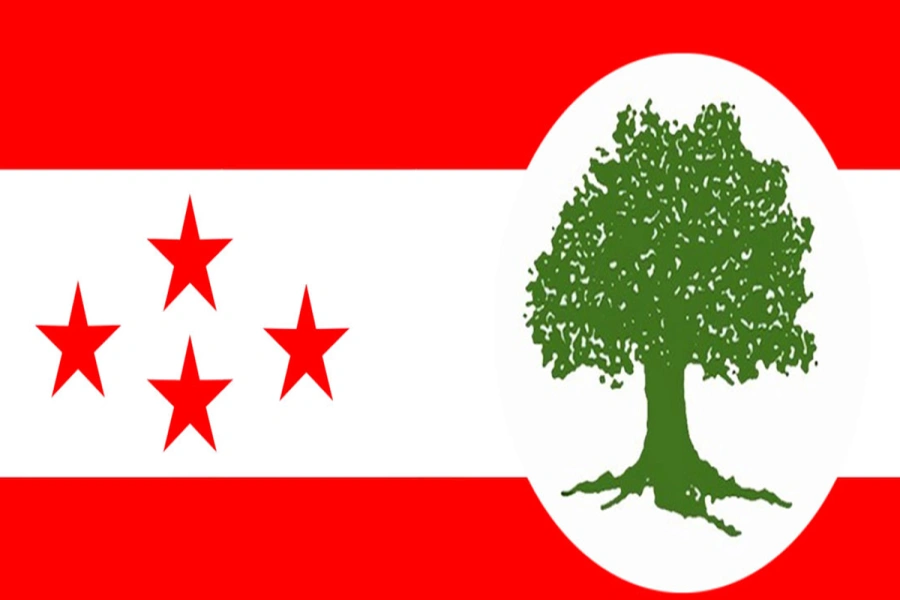
The Maoist party is vertically divided into three factions led by Dahal, Baidya and Bhattarai.
Leaders close to Dahal and Baidya had prevented Bhattarai from holding a separate meeting in the districts to disseminate his party line in the run up of the party plenum slated for November 21 in Gorkha.
Due to the opposition, Bhattarai later planned to hold the meeting on the outskirts of Biratnagar, but again decided to present his views during the gathering at the Kochila state committee office.
The three top leaders are scheduled to present their separate political documents during the Gorkha plenum.
"I have only told you some of the contents for discussions; it is not the whole political document," said Dr Bhattarai addressing the gathering for nearly an hour. "This is my line, these are the Chairman´s and Baidya´s. Please hold a discussion and come to the plenum with a conclusion," he added. Leaders from all three factions including Maoist lawmaker Sabitri Poudel, who is close to Dahal, and politburo member Ram Karki, who is close to Bhattarai, were also present at the meeting.
Only Maoist state and district committee members were allowed to participate in the meeting.
"We are using parliament, the streets and the government to complete the people´s revolution. Though our principal contradiction seems to be with the imperialism of India, the situation demands that we continue fighting domestic feudalism," sources quoted Bhattarai as saying.
He argued that it would be counterproductive to declare India the principal enemy at this time and declare war against that country, and warned that the achievements made so far would be lost if the party moves toward that direction.
He argued that the revolution to be conducted within the ´parameters´ of parliament and the government would be the ´original revolution´ in Nepal. Dahal and Baidya are for declaring India as the principal enemy.
Leaders close to Dahal and Baidya were not happy with the program held by Bhattarai. Maoist deputy in-charge Ganesh Uprety, who is close to Dahal, said that Dahal and Baidya should also visit the districts to express their views.
At the conclusion, Bhattarai said that the country should move ahead joining hands with India, that a people´s revolt is not possible and the issue should be left to be decided in the future.
"We expected that his ideological line would come out only at the party plenum in Gorkha, but they held a gathering of state and district committees," said Uprety.
Responding to queries by journalists, Bhattarai said that it would be against democratic norms to prevent cadres from meeting their leaders. "Nobody has prevented me from meeting the party cadres. I came here to meet them. The party also doesn´t have such a policy and if someone thinks so, it´s absolutely wrong."
The meeting saw the presence of over 150 cadres from Ilam, Jhapa, Sunsari, Morang, Dhankuta, Panchthar and Taplejung. According to sources, Bhattarai will also meet cadres close to him on Saturday evening.
Related story
Food crisis looms large as drought hits Madhesh districts