

The government came up with the plan in response to the reports that the coverage of national health program is far below in urban areas compared to VDCs across the country.
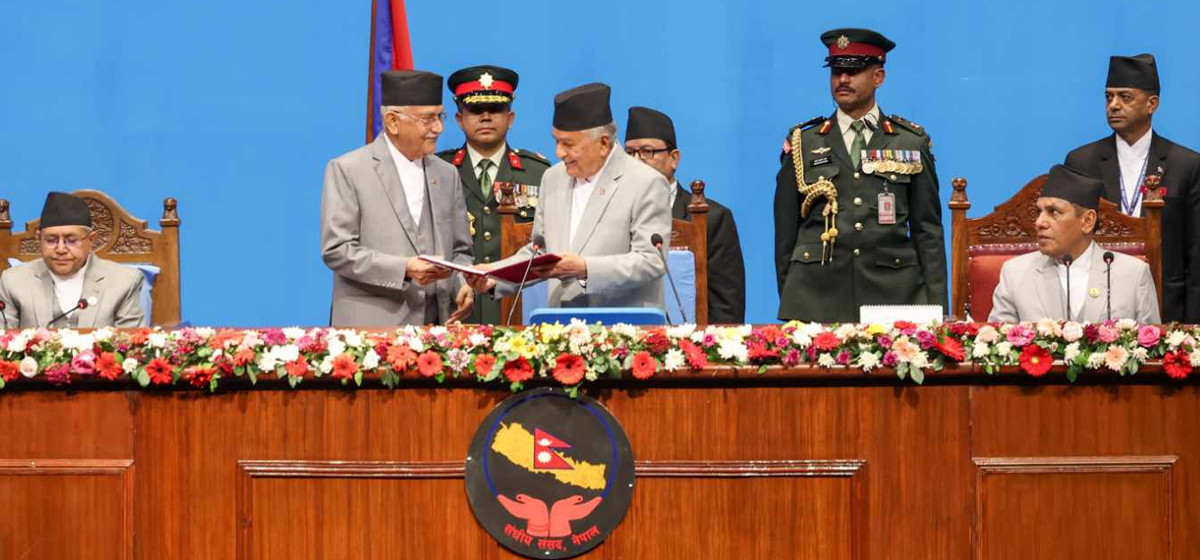
The plan was disclosed while making the government's policy and program public on Wednesday.The policy document outlined several other improvements in the country's health care system.
The government has upgraded several VDCs to municipalities, but it has yet to improve health care services in those areas.
At present, there are 133 municipalities across the country, most of which boast of big hospitals and nursing homes run by the private sectors. However, poor people do not have access to those centers. Due to lack of government health facilities in municipalities, such people have been deprived of basic health care services.
The government is also planning to mobilize at least one MBBS doctor at every VDC. "A doctor for every village will be implemented," reads the policy and program unveiled on Monday.
The government has already deployed some MBBS doctors at the VDCs in quake-hit districts.
Although Ministry of Health and Population (MoHP) had sought applications from over 400 MBBS doctors for deploying them in all VDCs, very few came forward showing interest to serve in remote VDCs.
Similarly, the government has aimed to make specialized services for treating non-communicable diseases available even at regional hospitals.
"To treat and control communicable diseases that can cause epidemics, infrastructure, human resources and lab service will be expanded," reads the policy.
Mother and infant mortality rate will be reduced by providing free treatments for 28 days after the birth infants.
Special groups with means and resources will be created to provide health services at the time of crisis. Trauma related services will be expanded.
To provide better health care services at all 75 district hospitals, ICU (Intensive Care Unit), Neo Natal Intensive Care Unit (NICU), senior citizen treatment unit and comprehensive emergency maternal and infant care centers will be established.
Availability of the medicines declared free of cost by the government will be ensured 24 hours at all government health facilities. For this, medicine procurement and supply system will be improved.
The new policy and program also envisages formulation of a national policy on medical education to make the sector more orderly and dignified.
It also aims to set up a center for researching, collecting, and processing of herbs for Ayurvedic medicines.
As per the policy document, central, regional and zonal hospitals will be decentralized, and a satellite hospital with specialist services will be brought into operation.
It also states that from this fiscal year itself, free education for those pursuing medicine at post graduate level will be arranged.
Related story
How women suffer during a pandemic








_20191222200001.jpg)





