KATHMANDU, Aug 26: Nepal is preparing to raise climate finance, mountain issues, adaptation, loss and damage, technology transfer and climate resilience at the 31st Conference of the Parties to the United Nations Framework Convention on Climate Change, COP31, scheduled to take place from November 9 to 25.
Türkiye will host the conference, with most major events, including the summit, scheduled at the Antalya Expo Centre in Antalya. Türkiye’s Environment, Urbanisation and Climate Change Minister Murat Kurum will preside over the conference.
Australia, as co-host, will lead the intergovernmental negotiations and support the pre-COP process in cooperation with Pacific island countries.
COP31 will focus on turning commitments made at previous climate conferences into concrete action. The UNFCCC says the conference will review progress on strengthened Nationally Determined Contributions under the Paris Agreement and efforts to reduce greenhouse gas emissions.
Climate finance will be another major issue. Countries will discuss implementation of the new collective quantified finance goal agreed at COP29 for developing nations. Strengthening the resilience of countries and communities facing climate risks will also remain a key priority.
Nepal to push mountain issues
Climate experts say Nepal should use COP31 to press developed countries to fulfil their emission reduction commitments and improve access to the Loss and Damage Fund.
Climate expert Dr Bimal Regmi said Nepal should prioritise mountain issues, effective distribution of climate finance, easier access to international climate funds, adaptation, science and technology.
“Mountain concerns should be incorporated into indicators for the Global Goal on Adaptation. Climate finance, science and technology and adaptation must also remain priorities,” Regmi said.
He said Nepal should also link climate impacts on agriculture with growing challenges to food and nutrition security.
Govt prioritizes climate justice, mountain agenda for COP 31
Sanot Adhikari, executive director of Youth Alliance for Environment, said Nepal should make stronger efforts to institutionalise mountain issues that it has raised internationally for more than a decade.
“Loss and damage suffered by mountain countries because of climate change needs to be established more effectively in international climate negotiations,” he said.
Climate finance should also be a central issue for Nepal, Adhikari said. At COP29, developed countries agreed on a new collective quantified goal to mobilise at least $300 billion annually for developing countries by 2035. Nepal and other developing countries need to press for clear financing and implementation mechanisms to meet that target.
Counting climate losses
Dr Dharmaraj Upreti, executive chief of the National Disaster Risk Reduction and Management Authority, said Nepal has been documenting climate related disasters and presenting their impacts to international agencies.
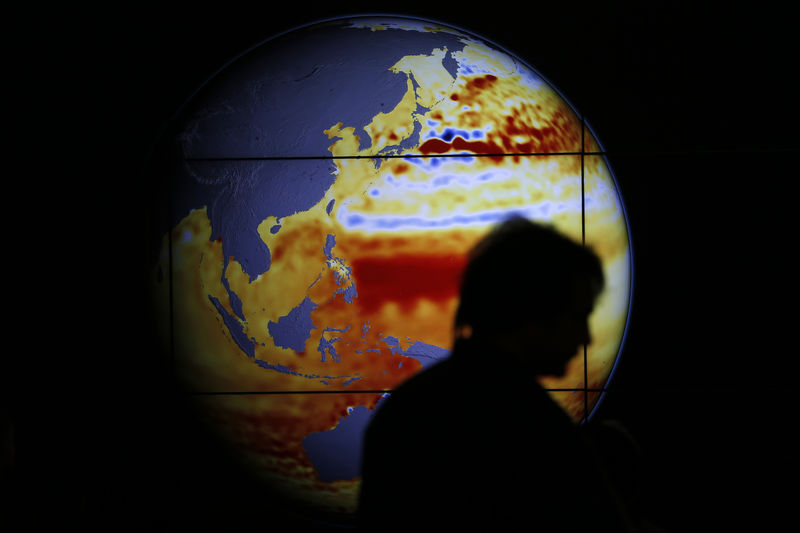
He said studies have assessed climate related disasters over the past six years, including the effects of El Nino on the oceans and subsequent impacts on mountain and low lying coastal regions.
Nepal has also discussed the economic burden caused by climate impacts on infrastructure and agricultural land. Upreti said Nepal’s demand should be based on climate justice rather than competition for resources.
Nepal’s preparation
The Ministry of Agriculture, Forest and Environment said preparations are underway to present Nepal’s climate priorities and positions more effectively at COP31.
The ministry is preparing a country position paper incorporating Nepal’s priorities and negotiating positions. It is also preparing to revise the Climate Change Policy, 2019, in response to changing national and international circumstances and government priorities.
The government is preparing a Local Adaptation Action Plan Framework and plans to sign a memorandum of understanding with South Korea on carbon trading before COP31.
The ministry also plans to form a small but effective delegation representing Nepal’s key interests. Government officials involved in negotiations will receive training to strengthen their negotiation skills.
A national climate conference will be organised before COP31 to gather views and recommendations from stakeholders and strengthen Nepal’s position. In cooperation with the International Centre for Integrated Mountain Development, ICIMOD, a national gathering of mayors and deputy mayors from local governments in Gandaki and Bagmati provinces will also be held to seek input.
Mountains remain a priority
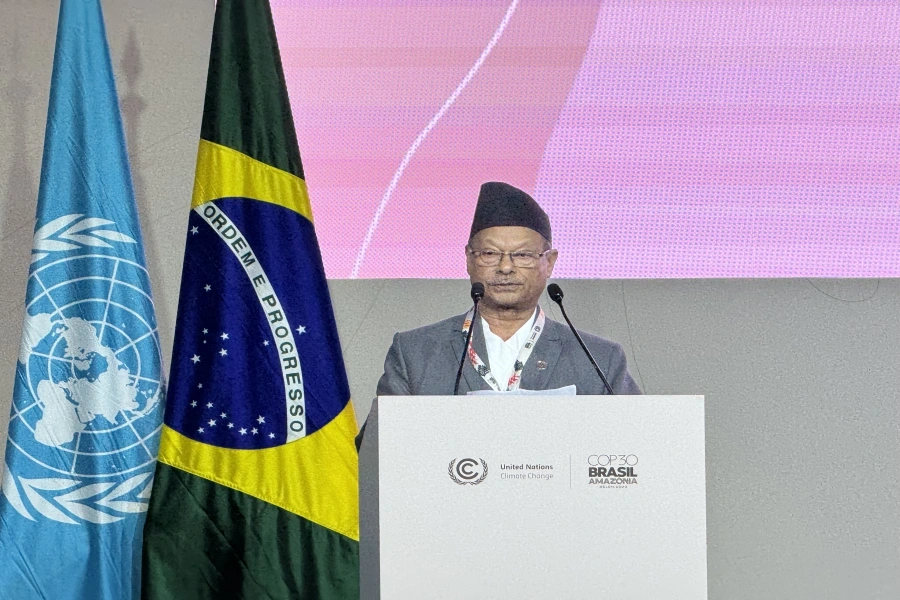
Nepal has consistently raised mountain concerns at international climate forums since COP15 in Copenhagen. It plans to continue doing so at COP31.
According to Joint Secretary Dr Maheshwar Dhakal, Nepal will highlight the impacts of climate change in mountain regions, climate finance, technology transfer and capacity building.
Nepal will seek additional resources from international climate funds for communities facing high climate risks. It will also push for access to and transfer of new and advanced technologies needed to address climate change.
As a country that contributes relatively little to global emissions but remains highly vulnerable to climate change, Nepal will prioritise strengthening the adaptation capacity of local communities.
Its broader priorities include climate adaptation, loss and damage, greenhouse gas emission reduction, climate finance, technology transfer and capacity development.
What is COP?
COP is the supreme decision-making body of the UNFCCC, adopted in 1992. All countries that are parties to the convention participate in its annual meetings.
The conference reviews implementation of the convention and related legal instruments, assesses global progress and adopts decisions aimed at strengthening coordinated international action on climate change.
COP is the world’s main multilateral forum for global climate governance. Countries negotiate climate targets, strengthen commitments and advance collective action.
One of its key functions is reviewing national communications and greenhouse gas inventories submitted by member states. These reviews assess the effectiveness of national measures, progress towards the convention’s objectives and the need for stronger climate action.
The process is intended to promote transparency, accountability and cooperation among countries. Major outcomes of previous COPs include the Kyoto Protocol and the Paris Agreement.
Why COP31 matters
COP31 will build on the outcomes of previous conferences, particularly COP30 in Belem, Brazil, with the aim of advancing negotiations, strengthening agreements and accelerating implementation.
Türkiye, as host, is expected to work with governments and other stakeholders to advance the global climate agenda. Its location between Europe, Asia and the Middle East also gives it a strategic role in climate diplomacy.
Türkiye has linked the conference to its growing commitments to renewable energy and a circular economy. The government says COP31 will build on previous achievements while creating a path towards more ambitious global climate action.
For Nepal, the conference offers another opportunity to turn its mountain vulnerability into a stronger diplomatic case for climate finance, adaptation support and loss and damage funding.