KATHMANDU, Jan 30: The countdown to the March 5 elections has officially begun, as political parties in Nepal have been allotted a 15-day window from February 16 to March 2 to carry out election campaigning.
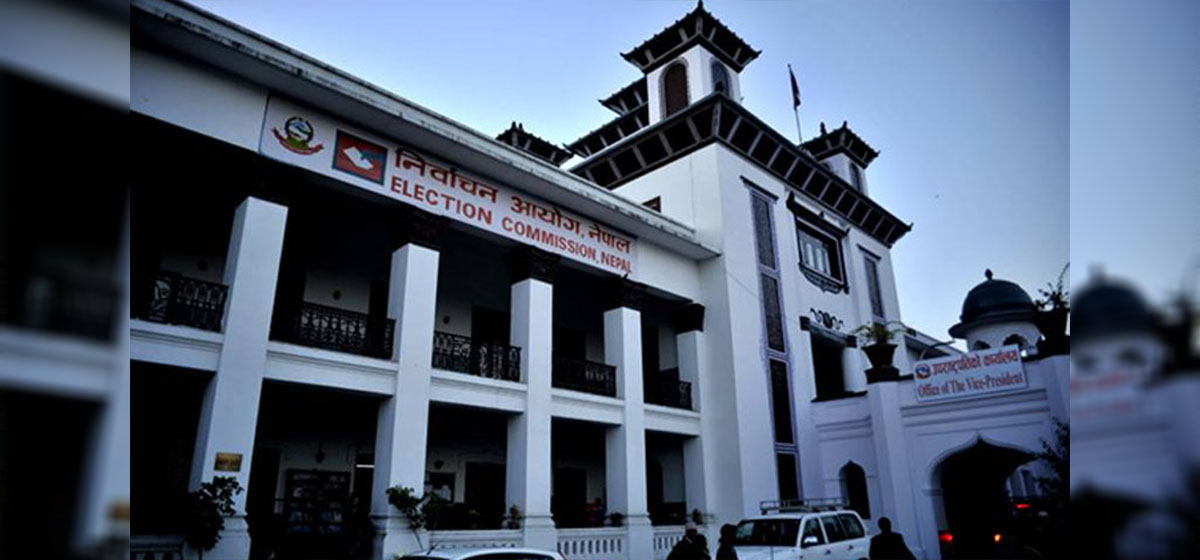
The Election Commission (EC) has designated this period for all forms of electioneering, including public meetings, rallies, processions, corner meetings, and microphone announcements.
Foreign tourist arrivals this February rose 33 percent compared...

EC Assistant Spokesperson Kul Bahadur GC emphasized that no campaign activities—including rallies, processions, or assemblies—are allowed before February 16, in line with the Election Code of Conduct. “Political parties can organize rallies and public meetings only between February 16 and March 2,” he said, adding that candidates may still conduct door-to-door campaigns.
The code also stipulates that election campaigning can begin only 17 days prior to polling, after the publication of the final candidate list. During the official campaign period, parties are allowed to organize mass events and publish or broadcast election-related materials through the media. A 48-hour silence period will be enforced immediately before voting, covering March 3 and 4, during which all campaign activities must cease.
Meanwhile, the EC has already sought clarifications from three candidates and three state bodies for alleged violations of the code. Complaints were filed against Rastriya Swatantra Party (RSP) candidate Khagendra Sunar from Banke-3, who is accused of spreading communal discord using references to the national animal, the cow; Dr. Chandra Kant Raut (CK Raut) from Saptari-2, who allegedly displayed election symbols and party flags by hanging decorative arches in his constituency; and Nisha Adhikari from Kathmandu-5, who reportedly sent volunteer application forms to Nepalis living in Australia, including instructions for supporting her campaign via QR-code contributions.
The Election Commission confirmed that the Code of Conduct has been in effect since midnight of February 16 and will remain so until further notice. The EC clarified that the code applies universally—from the Government of Nepal to media organizations, including federal, provincial, and local governments and their ministers; constitutional bodies and office-bearers; security agencies; government, semi-government, and public institutions and employees; political parties and their affiliates; candidates and their representatives; journalists; private and non-governmental organizations; educational institutions; financial and business sectors; service providers; and any other entities designated by the EC.