Youngsters, on the other hand, misunderstand the concern as interference and are often heard complaining about the strict rules and regulations they impose and preaching of morals which they think is unnecessary and absurd. [break]
The value of the priceless gift in the form of parents is often taken for granted and not realized by many people unless one is deprived of it.
At the same time, there are a few whose fate doesn’t favor the parent-child bonding for long. Struggling with the death of a near one at a young age is perhaps one of the worst experiences of life. But in the spirit of “silver lining,” that experience teaches a lot about relationships and society which brings maturity to individuals.
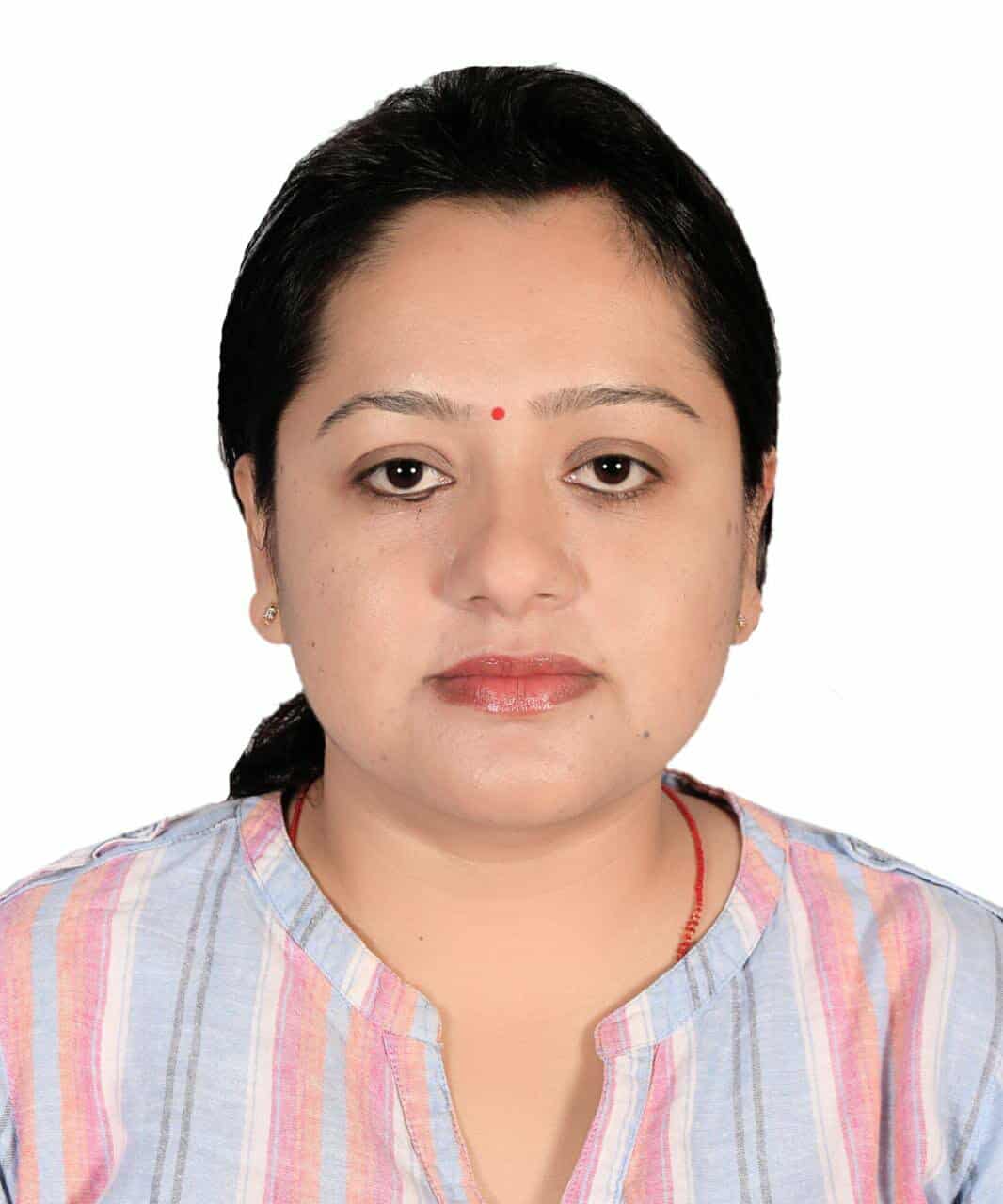
Shanon Shrestha, 17, lost her mother when she was in the 10th grade. Her mother fought with Hepatitis B for 10 long years and lost her life due to kidney failure.

“I miss her both when I’m lonely and in joyous moments in my life as I have a strong urge to share those moments with her. But I can’t, so I just hold myself up and move on,” shares Shanon.
She was quite small when her mother was diagnosed, so the truth was kept away from her.
“As I grew up and realized that she was sick, I had a very difficult time coping up with studies [because of it],” says Shanon who reveals that she confided in her friends and an elder sister about her worries and sorrows.
Citing the time when her mother fainted and didn’t regain consciousness for several days as one of the most painful times of her, she still regrets her mother not finding a kidney donor sooner.
“She would’ve survived,” she sighs. Though her father did donate one of his kidneys to her mother, she couldn’t fight the disease. “My friends should stop complaining [about their parents] and realize the love hidden behind their scolding is concerns filled with love,” she expresses.
Psychological theories explain that there are both negative and positive alterations that a young adult may go through in such situations with independent thinking and confidence and it may also bring sense of responsibility and accountability for situations that life has to offer.
Having experienced the fragility of life, such individuals live a deeply felt and passionate life filled with meaningful actions and interactions, developing empathy and compassion towards the sufferings of fellow humans.
Shlagha Baral, 22, shares, “I’m now independent to a large extent and I also have to play the role of a guardian to my younger sister.” She was 17 when her father’s jaundice was wrongly diagnosed as typhoid by the doctors who carried on with the wrong treatment that deteriorated his condition rapidly and he passed away within a month of falling sick. She was in the 11th grade when the incident took place.
“It definitely got very difficult and disturbing since I had to be there at the hospital with my mother, and my sister was too young to be able to take up responsibilities,” shares Shlagha.
Having faced with such a huge loss at such a young age, Shlagha had to suppress her true emotions from her mother to be stronger for her and only shared her feelings about the loss of a father who was more like a buddy to her with her friends and sister.
Sudarshan Narsingh Pradhan, psychiatrist and Associate Professor at Kathmandu Medical College, explains that there are five short-term phases a young person may go through when faced with such a loss.

Namely, denial of the loss; anger or aggressiveness towards the people who give consolation; bargaining or wondering if the treatment was wrong or the diagnosis was late; depression or being less interactive, with low mood; and lastly, acceptance of the truth.
“These stages are those of the normal phase which brings peace. But there is an abnormal phase which occurs due to high and intense emotions of the child who may suffer from various disorders, such as hearing and seeing the dead [even after the death],” adds Pradhan.
On one hand, the loss of loved one burden these young shoulders, while on the other, the stereotypical and insensitive attitude of the Nepali society towards individuals adds to their woes.
As both Shanon and Shlagha shared that their well-wishers, though sympathetic, were crueler rather than being supportive, as they would raise ridiculous issues of remarriage, keep tracks on their social life and talk behind the backs because they thought it was their right to keep track of them after their parent passed away.
“I was labeled by the villagers a child who ‘ate’ his mother because my mother passed away seven days after delivering me,” informs Chandra Lal Tamang, 14, from Sindhupalchowk.
He suffered from depression and therefore had difficulty coping up with peers and studies, as his teacher Krishna Mani Baral, Coordinator of Koseli School, informs.
A chronic disease not only brings sufferings to the patient but equally victimizes the near and dear ones in psychological and physical aspects.
The feelings of helplessness while watching the last days of one’s own parents cannot be clearly expressed, as many refused talking about this issue which is very personal as well as heartbreaking.
A possible consolation to this could be to make the best out of those last moments, trying to fulfill the last wishes of the lost parent and possibly stealing all the hugs and kisses from them.
Related story
90% Nepalis struggling or feel sense of insecurity