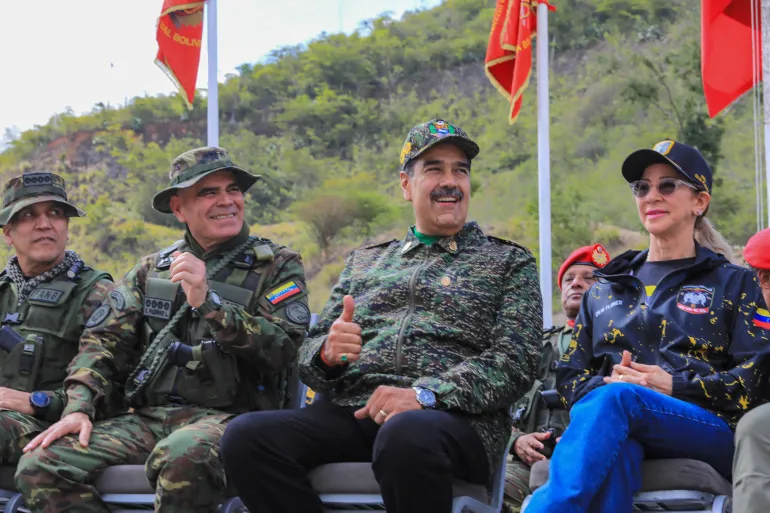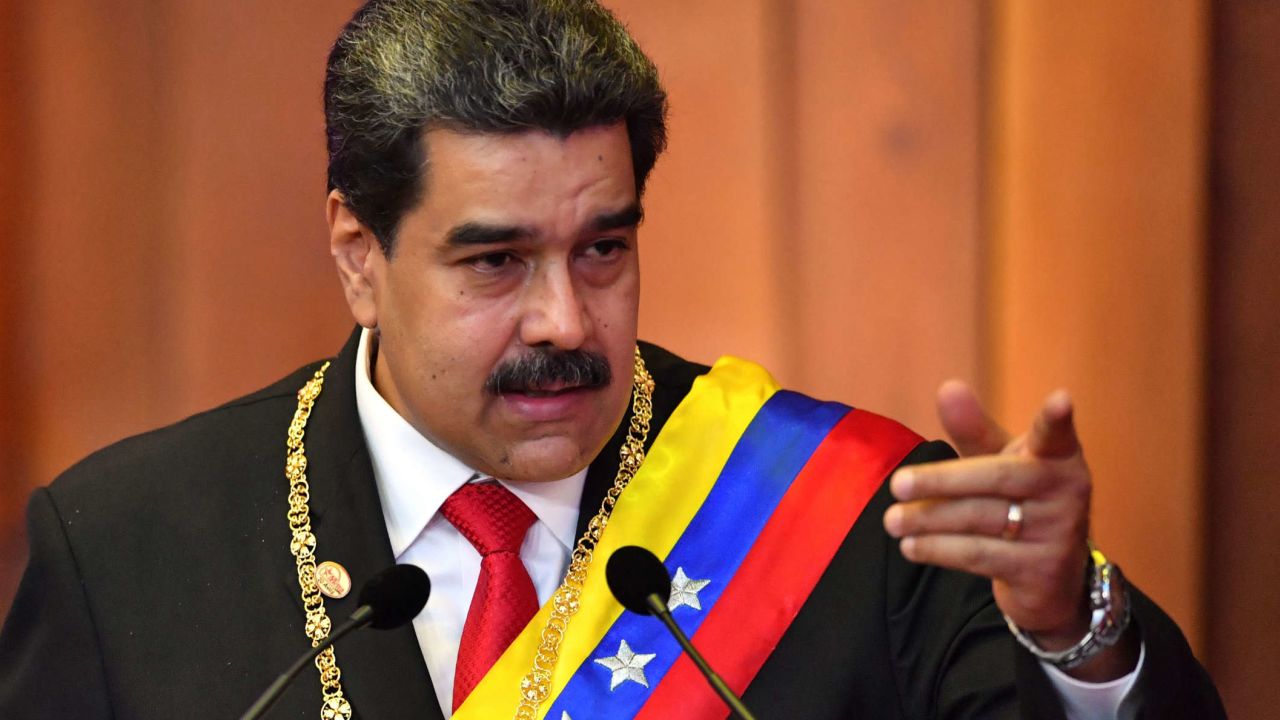
CARCAS, Oct 25: Venezuelan President Nicolás Maduro has accused the United States of “fabricating a war” after Washington ordered the world’s largest warship, the USS Gerald R Ford, to move toward the Caribbean, according to the BBC.
The US Defense Secretary Pete Hegseth directed the aircraft carrier, capable of carrying up to 90 aircraft, to leave the Mediterranean on Friday, escalating American military activity in the region.
Maduro told state media that Washington had “promised not to get involved in wars again” but was now “creating a new eternal war”, the BBC reported. The US says its expanded naval and air presence in the Caribbean is part of a campaign to disrupt drug trafficking, sending warships, a nuclear submarine, and F-35 aircraft to the area.
Japan plans to send largest warship to South China Sea: sources

The US has also launched a series of airstrikes targeting alleged drug traffickers’ boats, including one on Friday in which Hegseth said six “narco-terrorists” linked to the Tren de Aragua criminal group were killed. Regional governments and legal experts have criticized the operations, questioning their legitimacy, according to the BBC.
While the Trump administration says the campaign is aimed at combating drug trafficking, critics argue it is intended to intimidate Maduro’s government. Analysts told the BBC that the growing military buildup may be a strategic warning rather than preparation for invasion. Dr Christopher Sabatini of Chatham House said the move was meant to “strike fear” in the Venezuelan military and encourage them to act against Maduro.
The Pentagon confirmed the USS Gerald R Ford’s redeployment to the US Southern Command, which covers Central and South America as well as the Caribbean. Pentagon spokesperson Sean Parnell said the deployment would “enhance existing capabilities” to dismantle transnational criminal organizations, as reported by the BBC. The carrier’s arrival would also provide the US with resources to launch ground strikes if ordered.
Trump has hinted at possible “land action” in Venezuela, saying earlier this week that Washington already had “the sea very well under control”. CNN has reported that the US president is considering direct strikes on cocaine facilities and smuggling routes inside Venezuela but has not made a final decision.
The carrier was last tracked off Croatia’s coast in the Adriatic Sea three days ago. Its movement marks a sharp escalation of US operations in the Caribbean, heightening tensions with Venezuela, which Washington has long accused of sheltering drug traffickers. The USS Gerald R Ford can deploy jets, reconnaissance planes, and operate within a strike group that includes destroyers armed with missiles.
Since early September, the US has conducted ten strikes against suspected traffickers, mostly in the Caribbean, killing at least 43 people, according to the BBC. Lawmakers from both parties have expressed concern over the legality of the operations, with some, including Senator Rand Paul, insisting such actions need congressional approval. Trump has defended his authority, saying he can act under anti-terrorism laws after designating Tren de Aragua a terrorist organization.
Secretary of State Marco Rubio said, “If people want to stop seeing drug boats blow up, stop sending drugs to the United States,” the BBC reported.