Upon learning of the proposed visit by the Danish minister, who is coming to Nepal in mid-April, the Home Minister has told the Ministry of Foreign Affairs (MoFA) that "it is not appropriate" for the dignitary to visit a "sensitive and controversial" place, a source at the Home Ministry said. [break]
The Danish embassy wants to take Pind to Bardiya to visit Bhada Bridge, where disappearances occurred during the conflict period, and meet families of the victims. Accordingly, it has sought permission from MoFA for the visit.
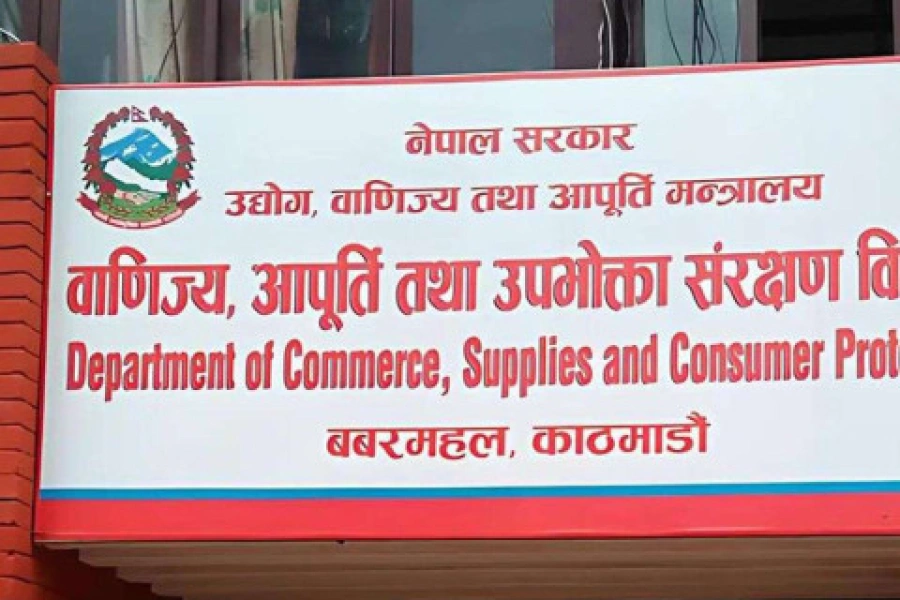
An official at MOFA said that the ministry has asked the embassy to plan Pind´s visit to the district only after coordinating with security.
"We cannot permit a foreign dignitary to visit such a sensitive place," a source at the Home Ministry told myrepublica.com about their reservations concerning the proposed visit by Pind.
It is not clear whether MoFA communicated the Home Ministry´s concerns to the Danish embassy.
Bardiya is one of the districts with the highest number disappearances reported during the conflict. A report of the UN Office of High Commissioner for Human Rights in Nepal (OHCHR-N) recorded 156 disappearances by the security forces and 14 by the Maoists between 2001 and 2004.
Victims of disappearances in Bardiya were arrested and held without due process, physically and psychologically tortured, and many are presumed executed, in clear contravention of Nepali and international law, according to OHCHR-N.
Although the cases have been well documented by OHCHR and the National Human Rights Commission, and despite a ruling by the Supreme Court in 2007, no official investigation has taken place into these human rights violations.
Related story
Danish artist makes off with pile of cash intended to be art