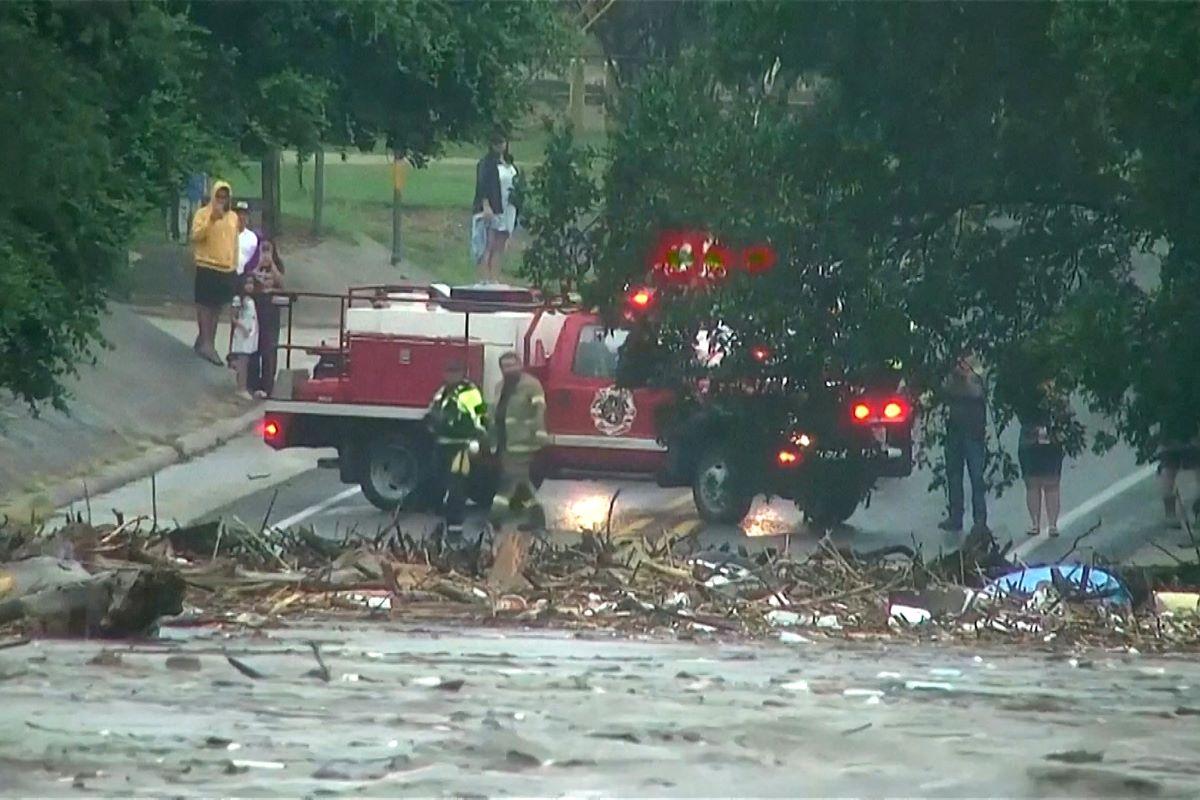
For some countries, like Nepal and the Maldives, which tried to draw the attention of the world to the plight they are facing, the outcome is indeed a huge disappointment. Neither of these countries boast of strong industries nor can even remotely match vehicular pollution as seen in China and India. But while mountainous Nepal has to contend with disasters like increased dry spells and floods, the island nation may simply be submerged in the Indian Ocean a few decades from now. The dangers thus are real and very close.
The draft agreement, a much watered down version from its earlier proposals, was first finalized in a meeting between the United States, China, India and South Africa. It commits the world to prevent global temperatures from rising above 2 degree Celsius. However, the agreement does not force any nation to make specific cuts. Nor does it set any time frame for such cuts. The accord, though, commits nations to adopt, within six weeks, binding emissions targets for 2020. This may not be as expected, since there is all likelihood that signatories would set their own targets as per their national needs. We reaffirm that it is a beginning nonetheless.
The two-week long summit recognized the dangers that inaction would be catastrophic. There is no time to lose. More negotiations and meaningful compromises are needed. The developed world in the West must take a bigger share in emission cuts and shoulder larger funds to tackle climate change. After all, they have been the biggest to contribute to the danger the earth faces today. To force the bigger nations like China and India, fast emerging as economically and industrially powerful nations, as well as smaller nations still mired in deep poverty as was evident in the beginning of the conference is not justified.
So let us hope that when the leaders of both the developed and the developing world meet in Mexico in November 2010 – the venue of the next UN climate change conference – the world will have a binding, specific-target-oriented treaty.
Related story
Feeble me, not my mom