TEL, AVIV, Oct 8: Israelis marked two years since the deadly Hamas-led assault of October 7, 2023, as peace talks continued in Egypt aimed at ending the conflict in Gaza. That attack killed more than 1,200 people and saw 251 taken hostage, the deadliest day for Jews since the Holocaust, the BBC reported.
Israel’s military campaign that followed has killed over 67,000 people, according to Gaza’s Hamas-run health ministry, whose figures are accepted by the UN and other agencies. Prime Minister Benjamin Netanyahu said Israel had shown “miraculous resilience” in the face of “bloodthirsty enemies” and pledged to recover all hostages, dismantle Hamas, and ensure Gaza would never again threaten Israel, the BBC said.
UN Secretary General António Guterres said the events of that day remained “forever seared in memory,” calling on all sides to embrace US President Donald Trump’s peace initiative, describing it as a chance to end the conflict, the BBC stated.
Israel postponed its official commemoration to October 16, after the Jewish High Holidays, but citizens held spontaneous memorials nationwide. A major ceremony organized by victims’ families took place in Tel Aviv and was broadcast across Israeli television. Earlier in the day, a nationwide minute of silence honored the victims, the BBC added.
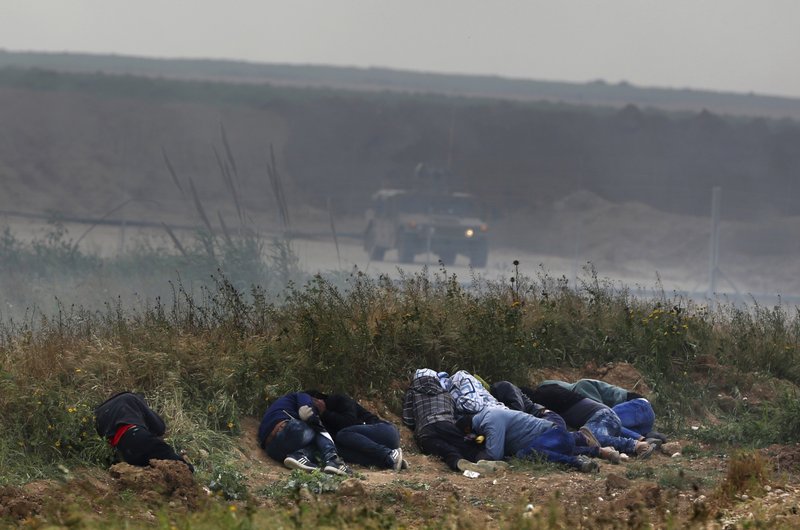
Israeli forces kill 16 Palestinians in Gaza border protests: Ga...
At the same time, Israeli and Hamas negotiators continued indirect talks in Egypt’s Sharm el-Sheikh. A Palestinian official familiar with the process told the BBC that the latest round began at 19:00 Cairo time after morning discussions ended with no progress.
Disputes persisted over Israel’s withdrawal maps from Gaza and Hamas’s demands for guarantees that fighting would not resume after any ceasefire’s first phase. The BBC quoted the official as saying the negotiations remained difficult, though mediators were working to bridge the differences.
The BBC reported that the talks centered on five key issues: securing a permanent ceasefire, exchanging hostages for Palestinian detainees, arranging Israel’s troop withdrawal from Gaza, organizing humanitarian aid, and determining who would govern Gaza after the war.
President Trump’s envoys, Steve Witkoff and Jared Kushner, were due to fly to Egypt on Wednesday, with Trump telling reporters that the US had “a really good chance” of achieving a lasting agreement.
In Tel Aviv, mourners gathered in Hostages Square. Among them was 29-year-old Hagar, whose brother survived the Nova music festival attack that left 378 dead. She told the BBC that no one would feel safe until every hostage returned home.
Outside Netanyahu’s residence in Jerusalem, supporters of hostage families gathered demanding action. Israel says 48 hostages remain in Gaza, 20 of them believed to be alive. Demonstrator Atalia Regev told the BBC that families wanted both safety and compromise to bring their loved ones back. Opinion surveys now show about 70 percent of Israelis would accept ending the war in exchange for the hostages’ release, the BBC reported.
At the Nova festival site, mourners gathered again, as the sounds of Israeli air strikes echoed from nearby Gaza. In Gaza City, explosions were reported in several neighborhoods, including Tal al-Hawa, Rimal, Nasr, Sheikh Radwan, and the Shati refugee camp. A Gaza City resident, Emaan al-Wahidi, who lost her son in an earlier air strike, told the BBC that every night her family sleeps together in fear, watching news constantly, afraid the ceasefire will collapse and fighting resume.
Hospitals in Gaza continued to struggle. Al-Shifa hospital said it had received six bodies, including three killed in an air strike on al-Sabra. Nasser hospital in Khan Younis reported two more deaths, one of them a man shot while seeking aid. UNICEF’s James Elder told Reuters that mothers and wounded children filled hospital corridors, with some premature babies forced to share a single bed and oxygen supply. He said mothers rotated oxygen every 20 minutes between babies. Gaza’s health ministry said 25 of its 38 hospitals were no longer functioning, and the rest were operating only partially, according to the BBC.
Meanwhile, the Israeli military reported that a rocket fired from northern Gaza landed in the border area of Netiv HaAsara, causing no injuries. The BBC stated that journalists have been barred from entering Gaza independently since the war began, making independent verification of both Israeli and Hamas claims difficult.


-1781882999.webp)