ANTALYA, Nov 14: Nepal must put water security at the centre of its climate resilience and development planning by integrating scientific knowledge, Indigenous practices and community participation to prepare for increasingly complex disasters in the Himalayas, experts and policymakers said on Saturday.
Speaking at a side event titled “The Hanging House: Lessons on Himalayan Water Security from the Recent Rasuwa–Bhotekoshi Disaster” at the Nepal Pavilion during the UN Climate Change Conference (COP31) in Antalya, Türkiye, participants stressed that climate-induced mountain disasters have far-reaching consequences for downstream communities, infrastructure, livelihoods and national economies.
The event, jointly organised by the International Water Management Institute (IWMI), the Centre for Indigenous People’s Research and Development, and the Government of Nepal, brought together government representatives, development partners, researchers, Indigenous Peoples’ representatives, youth and climate and water experts.
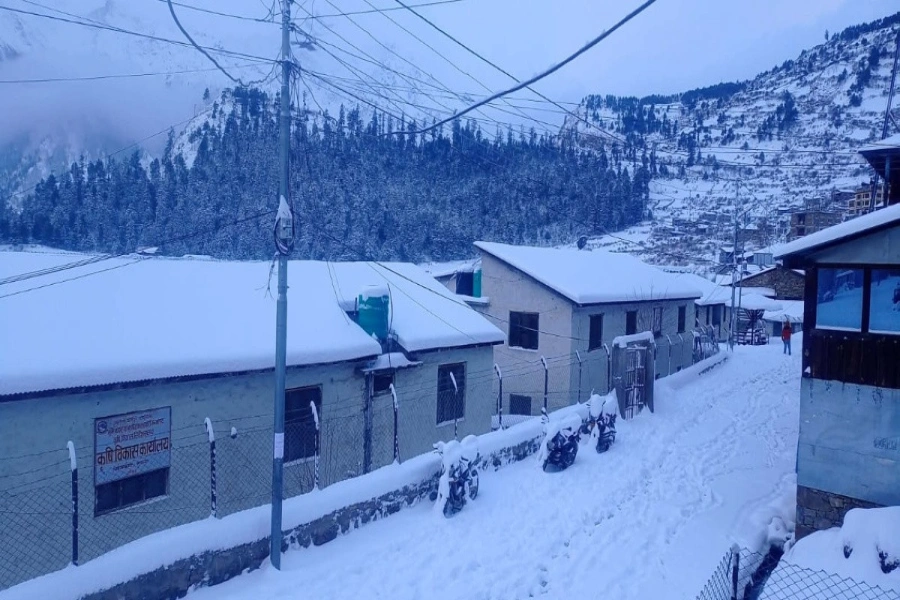
Discussions focused on how the August 26 Rasuwa–Bhotekoshi disaster exposed the growing risks of interconnected Himalayan hazards, including rock-and-ice collapses, river blockages and cascading floods.
Participants stressed that disasters originating in high mountain regions cannot be treated as isolated events, as their impacts extend downstream, affecting settlements, agriculture, hydropower, transport infrastructure, water systems and local economies.
“What happens high in the Himalayas does not stay in the mountains” was one of the central messages of the discussion.
SHIFT for Our Planet: Youths urge authorities to make climate j...

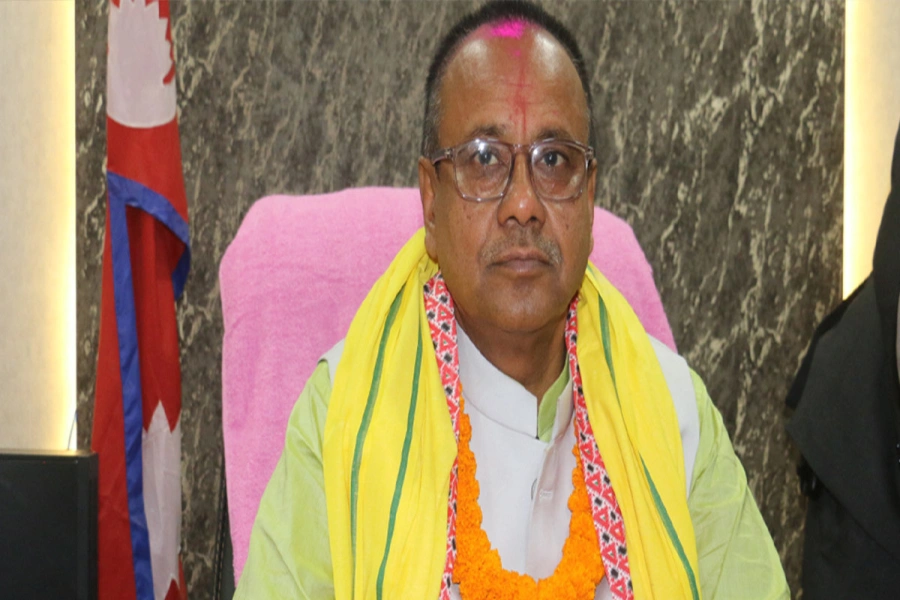
Addressing the event, Dharma Raj KC, a member of the House of Representatives, said water links food, energy, livelihoods and ecosystems, making an integrated approach essential to climate resilience.
“We cannot address these challenges in isolation. We need to bring together science, institutions and communities, across all levels of government, and turn knowledge into practical solutions that build long-term resilience,” KC said.
Participants also highlighted a growing pattern of complex water-related disasters in Nepal, citing the 2021 Melamchi debris flood, the 2024 Kathmandu Valley floods, the 2025 Bhotekoshi glacial lake outburst flood, post-monsoon disasters in eastern Nepal in 2025, the August 2026 Rasuwa–Bhotekoshi disaster and the October 2026 Budhi Gandaki flood.
These events point to the changing nature of Himalayan risks and the need to strengthen preparedness beyond conventional disaster response mechanisms.
The recent disasters have also taken a heavy economic and social toll. Estimated losses and damages stand at USD 2.77 billion, while recovery and reconstruction needs have been put at USD 4.77 billion.
Katya Mirza, MENA ECE Deputy Team Lead and FCAS Climate Adviser at the UK Foreign, Commonwealth and Development Office (FCDO), said the consequences of disasters went far beyond economic figures.
“Behind those figures are lives, livelihoods, homes and infrastructure, and the people hit hardest are often those with the least capacity to recover: women, children, older people, persons with disabilities and Indigenous communities,” she said.
Speakers stressed that disaster recovery should go beyond rebuilding damaged infrastructure to restoring livelihoods, social networks, cultural connections, dignity and communities’ capacity to recover.
Smallholder farmers, women, Indigenous Peoples, children, older people and persons with disabilities are often disproportionately affected by climate and water insecurity, they said, calling for equity, justice and meaningful community participation in recovery and resilience planning.
Mark Smith, Director General of IWMI, stressed the importance of incorporating changing climate conditions and disaster-risk information into reconstruction and development plans.
He called for a shift from simply rebuilding damaged infrastructure to building forward, saying investments in settlements, infrastructure, water systems and livelihoods must account for evolving risks.
The event identified several priorities for strengthening Nepal’s water security, including greater investment in scientific research, mountain monitoring, climate information and early-warning systems. Participants said emerging risks such as slope instability, river blockages and cascading hazards required improved monitoring and anticipatory action.
They also called for stronger coordination among institutions working in water resources, agriculture, irrigation, climate change and disaster management.
Integrating scientific evidence with Indigenous and local knowledge, strengthening locally led initiatives and improving coordination among federal, provincial and local governments were also identified as priorities.
Participants further stressed the need to mobilise climate finance and forge partnerships among governments, research institutions, development partners, the private sector and communities to scale up practical water-resilience solutions.