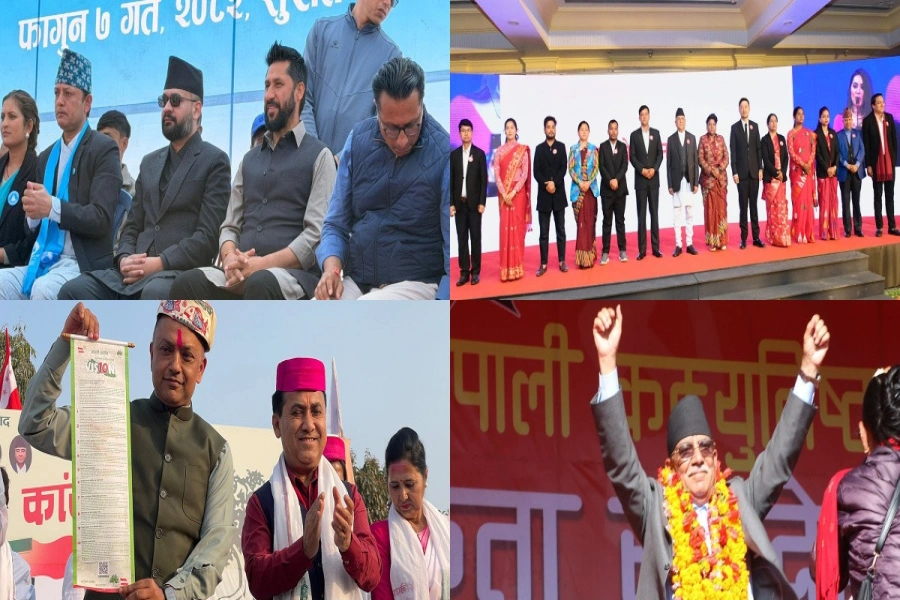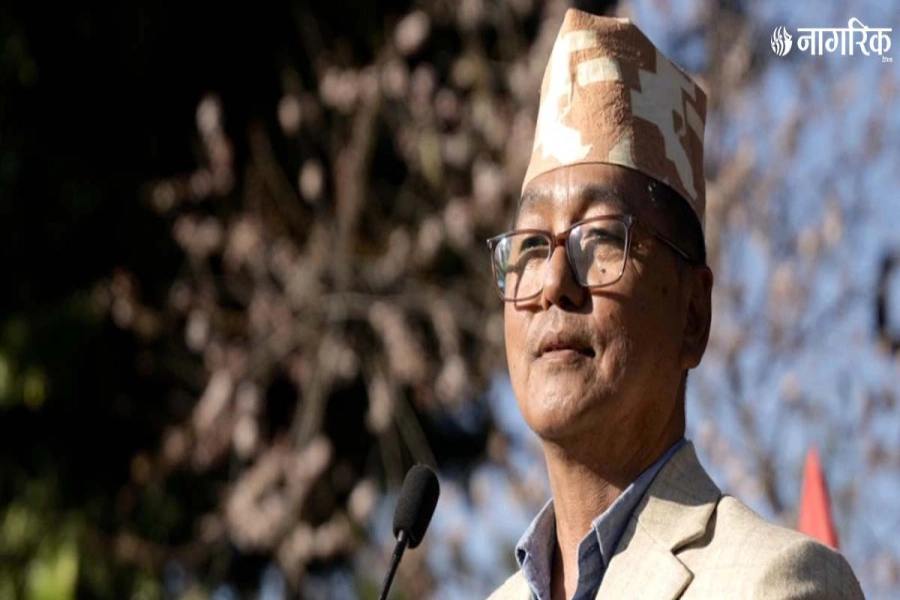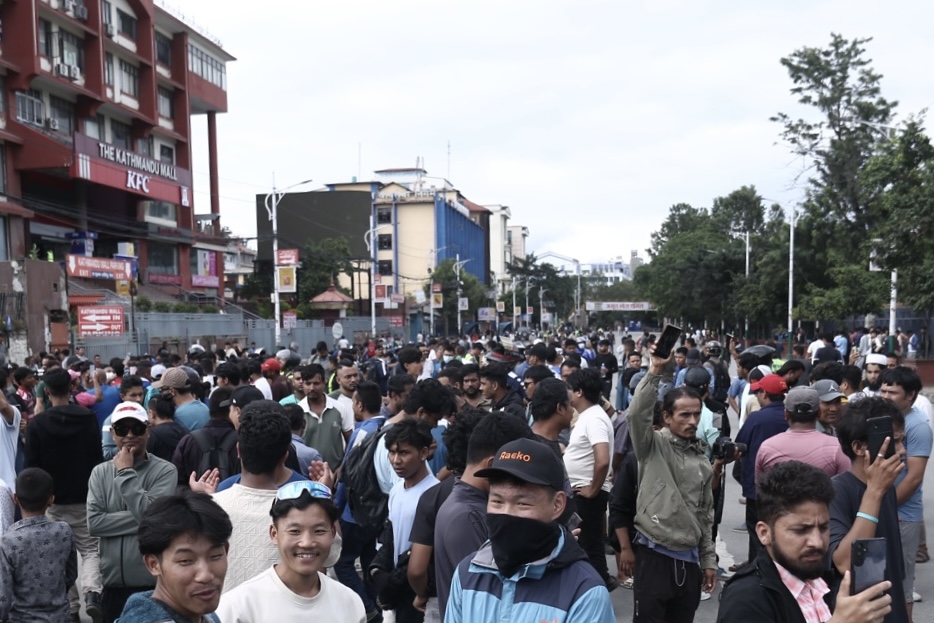
KATHMANDU, Sep 16: Young political leaders under 27, representing major parties in Nepal, are seeing the country’s current political turmoil as a chance to step into leadership roles long dominated by the older generation.
The Gen Z protests on September 8–9, which led to the dissolution of the House of Representatives, have significantly undermined the political legitimacy of senior leaders in parties such as Nepali Congress, CPN-UML, and CPN (Maoist Center).
While party seniors scramble to navigate this crisis, many young party members see it as an opening to assert their voices and take on more prominent roles.
Thai embassy organizing "Journey to Thailand & Top Thai Brands...
A majority of student leaders affiliated with the three major parties’ student wings told Republica that, despite the tragedy of September 8–9, the protests created space for youth to be heard. At least 72 people died during the unrest, including incidents at Singha Durbar, the Parliament, the President’s Office, the Supreme Court, police stations, and several business complexes.
Padma Bhusal, former treasurer of Tribhuvan University’s Free Student Union representing the Nepal Student Union (Nepali Congress), said the protests have created an opportunity for young students long stifled by party hierarchies.
“Many of us felt trapped in the party because of our political beliefs, which aligned with the party’s philosophy. But the leadership never recognized the strength of our voices. I believe this moment will change that, and our voices will now come to the forefront,” Bhusal said.
Siddhanta Bhatta, former central committee member of the All Nepal National Free Student Union Revolutionary (ANNFSU), the student wing of CPN-UML, said it was disheartening to see senior leaders resist giving youth space in decision-making. Bhatta resigned from his position following the September protests, citing moral responsibility, and added that political cadres should not treat senior leaders as infallible.
“What people demand is simple: good governance, reduced corruption, and an end to ministers’ extravagant lifestyles. This can only happen if new cadres are allowed to step forward,” Bhatta said.
Sulav Aamrai, chairman of the ANNFSU-Revolutionary in Gorkha and a youth leader loyal to CPN (Maoist Center), echoed similar sentiments. He acknowledged that while the Gen Z protests were necessary, their lack of organizational structure allowed internal and external forces to influence the movement. “Nonetheless, this momentum will compel senior leaders to reconsider power transition to the younger generation,” Aamrai said.