

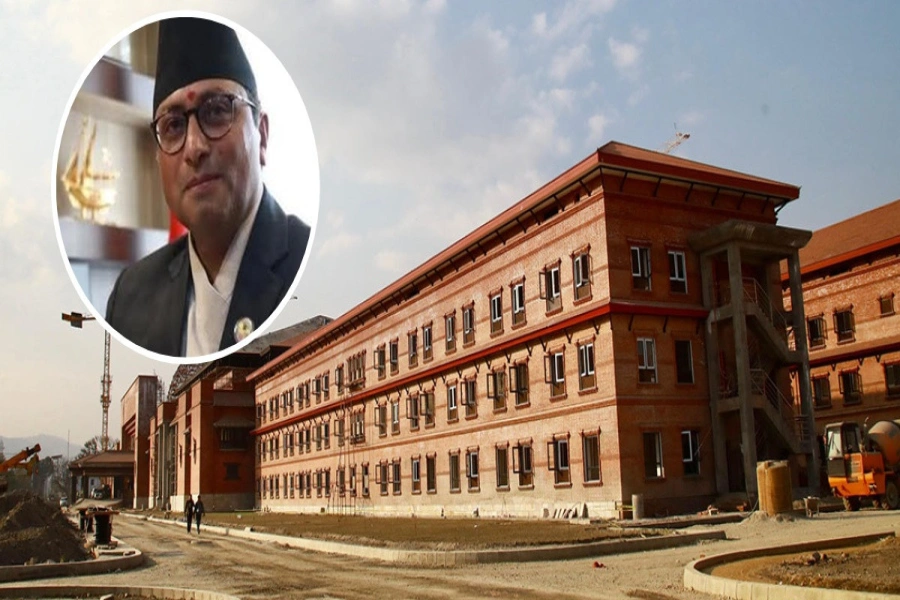
KATHMANDU, July 28: Opposition parties are preparing to demand the resignation of Finance Minister Dr Swarnim Wagle after Prime Minister Balendra Shah overturned the budget decision to impose new taxes on the education and health sectors.
The opposition argues that the Prime Minister's intervention to withdraw the taxes, following widespread public backlash, has exposed the Finance Minister's failure and raised serious questions about the credibility of the budget and the government's policymaking process.
The House of Representatives is scheduled to meet on July 29, while the National Assembly will convene on July 30.
According to opposition leaders, imposing taxes on sensitive sectors that directly affect the public without adequate study or consultation, only for the Prime Minister to later reverse the decision, demonstrates poor judgment on the part of the Finance Minister.
SAARC finance ministers meet in Manila

An opposition lawmaker from the Nepali Communist Party (NCP) said the issue would be strongly raised in the upcoming parliamentary session, arguing that the Finance Minister should take moral responsibility and resign after another authority effectively exercised powers falling under his jurisdiction.
Some lawmakers from the ruling coalition, however, welcomed the withdrawal of the taxes, saying the government had respected public sentiment. Even so, the decision is expected to intensify political confrontation when Parliament reconvenes.
On July 20, Prime Minister Shah announced that the government would not implement the 3 percent "equity fee" imposed on private education and health institutions. In a Facebook post, he said the decision had been taken in consultation with Finance Minister Wagle.
"The 3 percent equity fee on private education and health services would have increased financial burdens and caused hardship for the public if implemented as planned. Therefore, after consultation with Finance Minister Swarnim Wagle, we have decided not to implement the Education Equity Fee and Health Equity Fee for now," the Prime Minister wrote.
While presenting the budget on May 29, Finance Minister Wagle had said the levy on private schools would be used to support nutrition and education programmes for marginalised and underprivileged Dalit children. He also argued that revenue collected from the health sector would help improve public health institutions and strengthen the national health insurance programme.
Opposition parties maintain that the government's decision to introduce the taxes without sufficient preparation, and later withdraw them under pressure, reflects a serious policy failure.
Opposition lawmakers had also demanded that the taxes be scrapped during parliamentary deliberations on the budget. However, the budget and the accompanying Economic Bill were passed without incorporating their demands.
The Prime Minister's announcement has also sparked legal and constitutional debate because the tax provisions had already become law after Parliament passed the Economic Act. Critics have questioned why the withdrawal was first announced through a Facebook post instead of following formal government procedures.
Section 18 of the Economic Act allows the government to reduce, increase or fully or partially waive taxes, duties and fees when necessary but only through a Cabinet decision. Tax policy falls under the jurisdiction of the Ministry of Finance. Critics argue that while Finance Minister Wagle proposed the taxes, any decision to withdraw them should also have been formally tabled by him before the cabinet, rather than being announced directly by the prime minister.
Opposition reactions have varied. Nepali Congress President Gagan Kumar Thapa welcomed the government's decision not to enforce the 3 percent levy, saying his party had opposed the measure from the outset. He also urged the government to scrap other "impractical" taxes, including the value added tax imposed on electricity.


_20230226123652.jpg)


