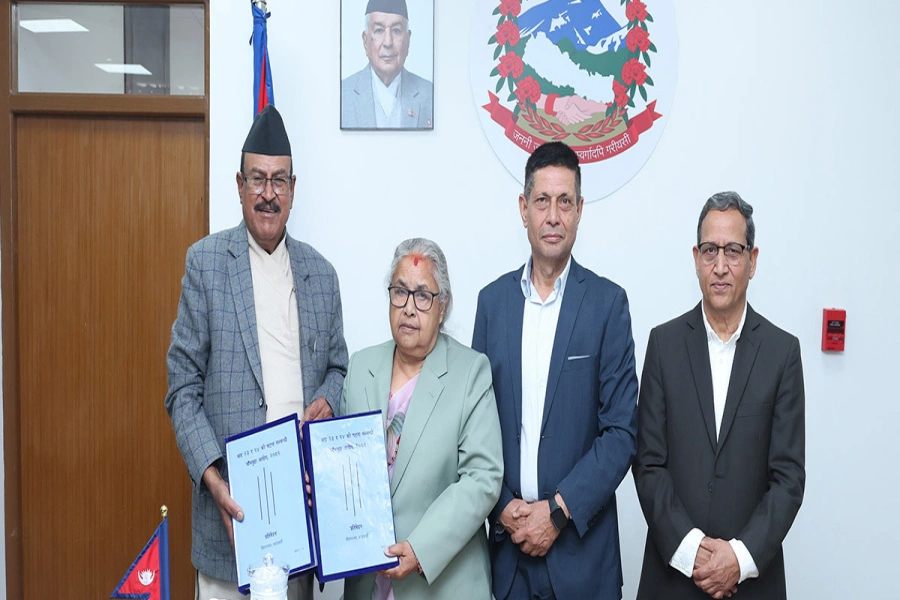
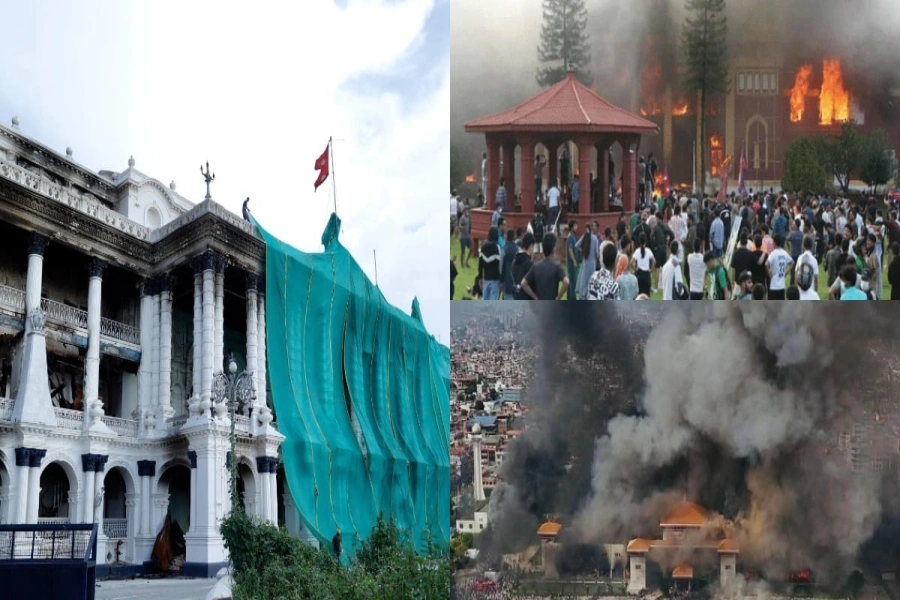
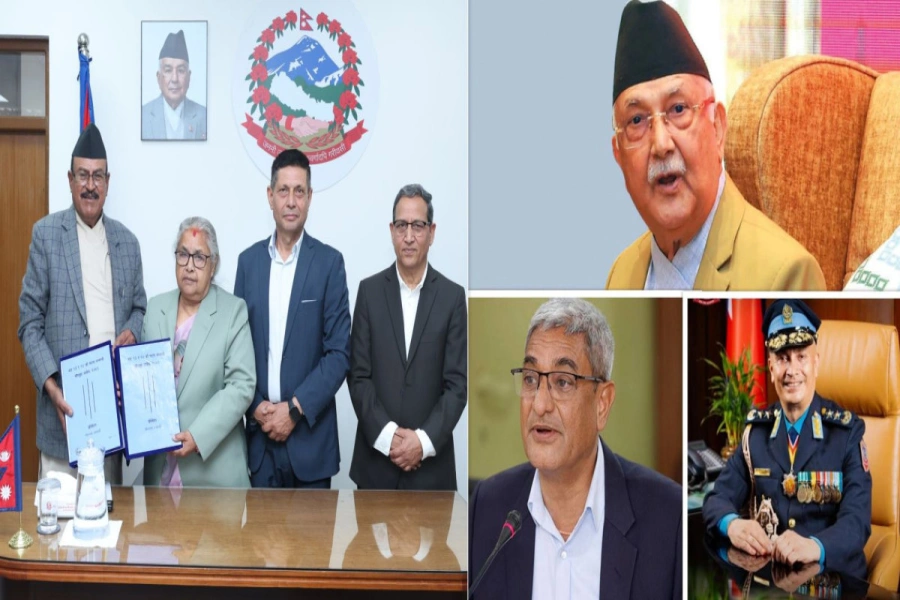
The leaked report of the commission led by former Special Court chair Gauri Bahadur Karki has offered the public a detailed look at the deadly Gen Z protests of September 8 and 9. The report sheds light on the use of excessive force by security agencies during crowd control and highlights how poor leadership at political and administrative levels worsened the crisis. It recommends action against several figures, including former prime minister KP Sharma Oli, former home minister Ramesh Lekhak, former police chief Chandra Kuber Khapung, other senior officers from Nepal Police and the Armed Police Force, and a few army personnel. The report also points to poor coordination between commanders and officers in the field. A lack of timely meetings among key security agencies weakened the state’s ability to respond. Meanwhile, unrest spread rapidly, and government buildings such as Singha Durbar, Sheetal Niwas, the Supreme Court, and the prime minister’s residence were attacked and set on fire. Major hotels, department stores and private property across the country were heavily damaged or destroyed. At least 74 people died due to the violence, arson, and delayed response. The situation took a serious turn after the Nepal Army failed to deploy personnel despite being requested to do so. Overall, political hesitation and delays in administrative action allowed the situation to spiral out of control.
AI's impact could worsen gaps between world's rich and poor, a...

Still, many observers say the report appears uneven. While it discusses the events of September 8 in great detail, it is brief and sketchy about what happened on September 9. That second day was equally critical, as the unrest escalated from protests to large-scale violence against state institutions. Critics argue that the report fails to identify those responsible for widespread arson and violence on September 9, while instead blaming some journalists and social media influencers for spreading rumours. When a report examines one day closely but glosses over the next, doubts naturally arise. Concerns have also emerged within security agencies. Recommendations to punish officers involved in handling the protests may affect morale among those tasked with maintaining order. Crowd control in Nepal is already a difficult challenge. Officers often face large, volatile crowds with limited resources and intense political pressure. If they fear that every decision could later lead to punishment, hesitation may grow in future crises—potentially creating even greater risks. Security agencies form the backbone of the state. If their confidence declines, governments of any political stripe could face serious challenges. Rival political actors may even attempt to exploit such uncertainty, knowing security personnel are unsure of how far they can go in controlling unrest.
However, this does not mean accountability should be ignored. When lives are lost, the state must examine what went wrong. Accountability must go hand in hand with fairness and rigorous fact-finding. Investigations should cover the full timeline of events, not selective portions. They should also assess the roles of protest organisers, political actors, and groups that may have pushed the situation toward violence. A balanced approach is essential. The government should publish the full report and consider forming a second, independent technical review panel to examine operational issues in detail and recommend clearer protocols for future crowd control. The commission has also suggested improving training and equipment for security personnel to reduce reliance on lethal force. Political leaders must work together more effectively and respond decisively during crises. Nepal cannot afford another episode like that of September 8 and 9. Delivering justice for victims, restoring confidence within security agencies, and strengthening public trust in the state must go hand in hand. A careful, balanced response remains the only path forward.





.jpg)