


Wednesday, 17 April 2024 07:42 PM

OR
Login using
Talks with Madhes parties on back burner as NC-Maoist ties sour
Published On: April 6, 2017 08:40 AM NPT By: Kosh Raj Koirala | @KoshRKoirala
KATHMANDU, April 6: Souring relations between the ruling Nepali Congress (NC) and CPN (Maoist Center) in recent days have relegated negotiations with the agitating Madhes-based political parties to the back burner.
The row over the appointment of a new police chief followed by a fresh dispute over hierarchy relating to the deputy prime minister representing the NC in the cabinet have not only created serious mistrust between the two major coalition partners but also resulted in indifference toward resolving the issues raised by the Madhes-based parties, according to party insiders.
NC leaders have started construing Prime Minister Pushpa Kamal Dahal’s attempt to give second place in the cabinet hierarchy to Deputy Prime Minister Kamal Thapa as an attempt to forge a new alliance with the Rastriya Prajatatra Party (RPP) and the UML.
The growing frequency of meetings between RPP Chairman Thapa and UML Chairman KP Oli has further increased NC apprehensions.
Sources said the proposal by Prime Minister Dahal to defer the local elections or hold it in two phases has irked NC President Sher Bahadur Deuba.
Deuba is already piling pressure on Dahal to step down on April 14 if he is unable to hold the local level polls on the stipulated date, as per their informal agreements.
“Deubaji has been putting pressure on the prime minister to step down before May 15 even if the current government is able to hold the local level polls. This shows that the NC harbors some mistrust toward us,” said a senior Maoist Center leader, admitting that they have some differences with the NC. The new constitution makes it mandatory to unveil the new budget before the end of May.
The Maoist party leader also disclosed that the cabinet meeting has been put off since March 16 at the request of NC President Deuba as the meeting would have to appoint a new police chief as per the Supreme Court order. Although Deuba has been consistently pressuring the prime minister to appoint Jaya Bahadur Chand as new police chief, the cabinet will have to appoint Nawaraj Silwal instead as per the SC order to appoint someone on the basis of merit and seniority.
General Secretary of Rastriya Madhes Samajbadi Party Keshav Jha said they had their last meeting with the ruling parties on Friday.
“Although the ruling parties told us that they would hold further talks with the chiefs of the Madhes-based parties and introduce a new amendment bill by Sunday, there has not been any further talks with us, let alone the introducing of a new amendment bill,” Jha told Republica.
However, Maoist senior leader Narayan Kaji Shrestha said that differences between the two ruling parties alone were not to be blamed for the lack of progress in negotiations with the Madhes-based parties. “Some of the demands that the agitating Madhes-based parties have put forth are difficult to meet if we are to hold local level polls within the stipulated date,” said Shrestha.
The Madhes-based parties have of late demanded that the voter rolls be updated again, the number of local units increased again to ensure that the Tarai-Madhes districts have at least 48.3 percent of these units, and Article 274 of the constitution be scrapped. Article 274 makes it mandatory to secure the consent of the provinces concerned to change provincial boundaries. They have also demanded disenfranchising the chiefs and deputy chiefs of the rural municipalities and municipalities in the election of the national assembly members.
You May Like This
Govt starts induction talks with Madhes parties
KATHMANDU, Feb 22: Prime Minister K P Sharma Oli has taken initiative to bring the Madhes-based parties onboard the government. ... Read More...

Madhes parties in merger talks with NC, UML
KATHMANDU, Oct 4: The sudden alignment among key left forces in the country have sent tremors across Nepal’s political landscape forcing... Read More...
Madhes parties want all tarai districts hived off from hills
KATHMANDU, Feb 27: A majority of Madhes-based political parties have proposed delineating the entire tarai region into two provinces and have... Read More...
ACC Premier Cup: Nepal vs Saudi Arabia today
10 hours ago
ANFA Vice President Dawa Lama arrested
7 hours ago


KMC to organize a month-long skill fair from May 1
22 hours ago
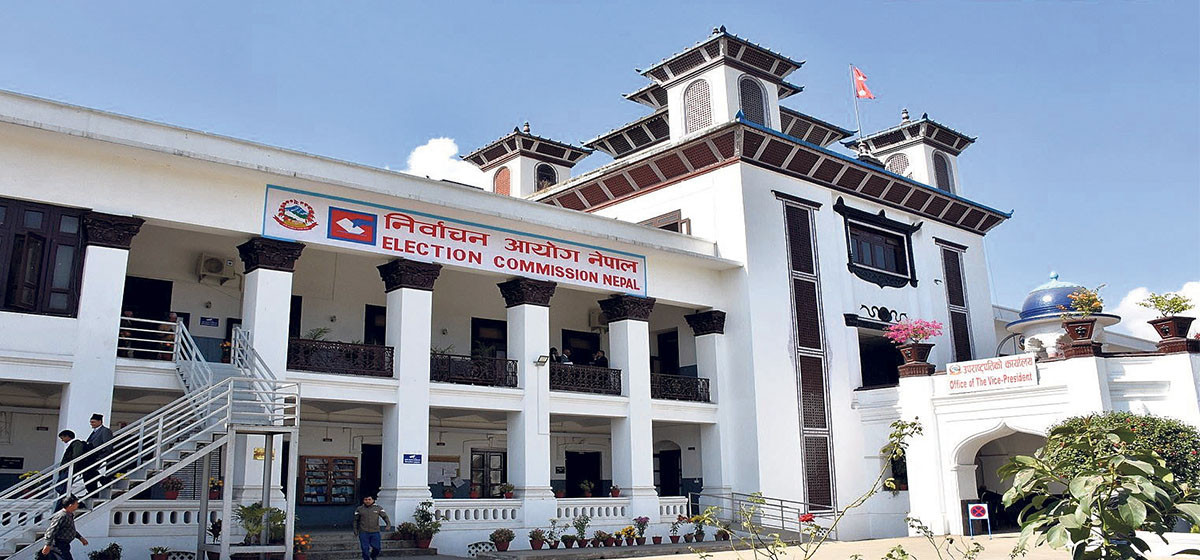
EC reminds all for compliance with Election CoC
42 minutes ago

Just In
- CM Karki to Speaker: Resolution motion for vote of confidence unconstitutional
- EC reminds all for compliance with Election CoC
- 13 killed, several injured after strike at Al-Maghazi refugee camp in Gaza
- NA team leaves for Solukhumbu to launch Clean Mountain Campaign
- Airee holds 11th position in ICC updated ranking for all-rounders
- Tension mounts in Biratnagar following clash between two communities during Ram Nawami rally
- 76-km solar fence placed to mitigate human-tusker conflict in Jhapa
- Nepal secures semi-final spot with thrilling victory over Saudi Arabia
Leave A Comment