The temple has been facing problems to operate regular worship (pooja) as it has been functioning with only three priests for last three months. There is a provision for five priests in the temple. [break]
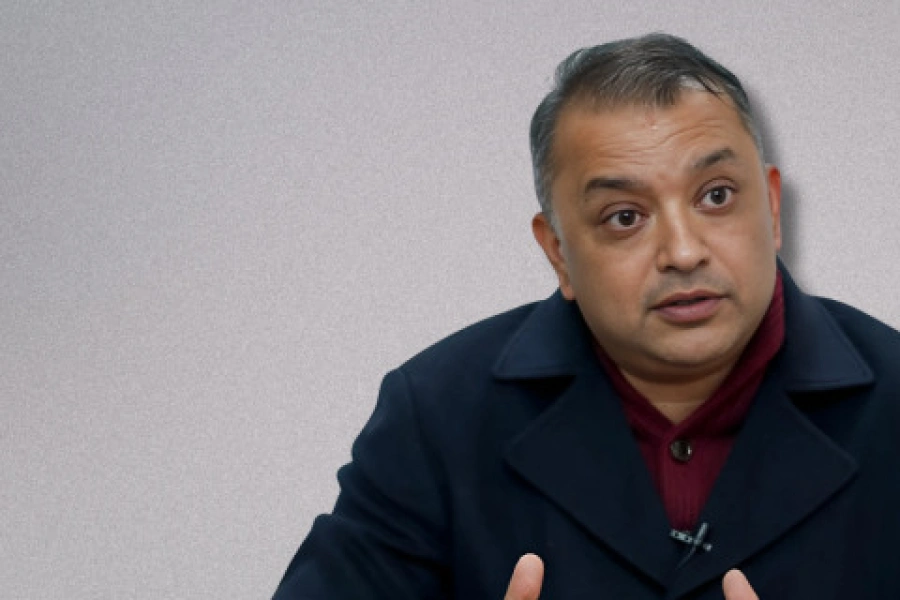
´´If one of the three priests falls ill or has to observe Jutho (mourning) or Sutak (avoidance of worship after the birth of a new baby within the family), conducting daily worships will be impossible," says treasurer of Pashupati Area Development Turst (PADT) Narottam Baidya.
The shrine was embroiled in a dispute last year after the then Maoist government appointed two Nepali priests following the resignation by three Indian priests apparently under pressure. However, the government withdrew its decision bowing to an intense protest and retained the Indian priests as caretakers, pending new appointments.
According to Baidya, the first and foremost task of PADT at present is to appoint the priests in the places left vacant by two Indian priests. Bhatta Krishna resigned last year citing his bad health and Bhatta Ramchandra ended his stint three months ago after PADT intervened into his working practice. He was in-charge of Basuki temple, which lies left of the main temple but operates under the same system.
PADT which has now a new leadership following the formation of the new government is preparing to form a scholars´ panel to develop criteria for would-be priests. Baidya says, "But any capable Hindu could apply for the posts. We will not stick to blind nationalism and choose Nepali priests exclusively. We will rather focus on good management of the temple with pious priests."
"The former leadership of PADF made new regulations three months ago making it necessary for the applicants to be Nepali nationals by means of contradictory conditions," Baidhya claims. "In one clause, the regolations qualify ´others who have fitting traditional background´, referring to the incumbents or the South Indians Brahmins, for appointment at the temple while in the other clause teh regulations say the certificate of Nepali citizenship should be enclosed with the application." Appointing a priest at a centre of faith should be based on values practiced along with our civilization rather than on politics, adds Baidhya.
PADT, however, still has a huge challenge to bring the Bhandaris (caretakers of the temple and its properties and helpers to the priests) to agreeable terms regarding their benefits. A petition lodged on behalf of them demanding the annulment of the new regulations is now subjudice in the Supreme Court.
There are provisions in the new regulations about the duty arrangements and salary to the Bhandaris. Bhandaris say the regulations came unilaterally trampling on the age-old values of their community and the temple.
Kabindra Rajbhandari, the main Bhandari, hopes that PADT will have dialogue with the Bhandaris before taking any decision. "Brahmins have an inborn right to the offerings and it is not just to deny them," he says.
Baidya says that PADT will address the issues of the Bhandaris by giving them attractive benefits in return for their cooperation to establish a good, transparent system in the temple.
Related story
Pashupati Study Center to be established in Pashupati area