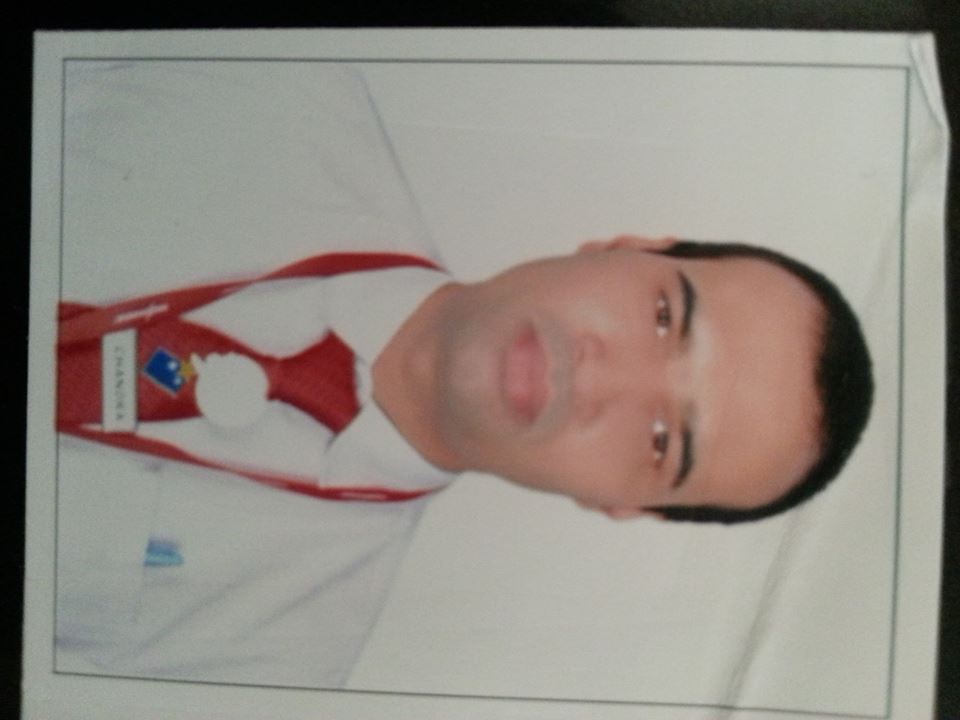
So does 45-year-old Govinda Prasad Mainali, the Nepali national being released from a Tokyo prison after being incarcerated for 15 years for a 1997 murder. Mainali was convicted of taking the life of Yasuko Watanabe, a 39-year-old Japanese woman in Tokyo; apparently, the strongest evidence against Mainali was that he had a key to the apartment where Watanbe’s body was found. Now, DNA testing reveals the semen sample collected from inside the woman’s body was not Mainali’s. The Japanese press has justifiably made much hue and cry about the innocent punishment of a foreign national for the murder of a woman who was, they have emphasized, a businesswoman by the day and a prostitute by the night. The most sordid aspect of the whole affair is that Mainali had been acquitted of all charges by Tokyo District Court in 2000, yet had to remain behind bars when the Supreme Court upheld his conviction on circumstantial evidence.
All this time, Mainali’s family, including his wife and two young daughters, have had to live under harrowing circumstances. According to the family, following Goviinda’s conviction, the society started ostracizing the family of a ‘murderer’. The family’s constant back and forth between Nepal and Japan seeking redress could not have been easy either. As things stand, the Tokyo High Court has only ordered a ‘retrial’ and Mainali has not been completely exonerated of the alleged crimes. But close watchers of Japanese judiciary believe the retrial verdict as good as sets Mainali free.
If indeed he has been wrongly convicted and as a result has been forced to waste 15 of his most productive years in jail, the Mainali family has every right to seek compensations. It also appears that Mainali was a victim of stereotyping as the earlier judge seems to have assumed that since he was a poor man looking for a job in Japan, he must have killed for money. We are happy that Govinda Prasad Mainali will come back home a free man. But we would also like to see the circumstances surrounding the 15-year-long case thoroughly investigated and the aggrieved side adequately compensated.
Related story
'Mainali Fiction Honour' to Sagar